


Description
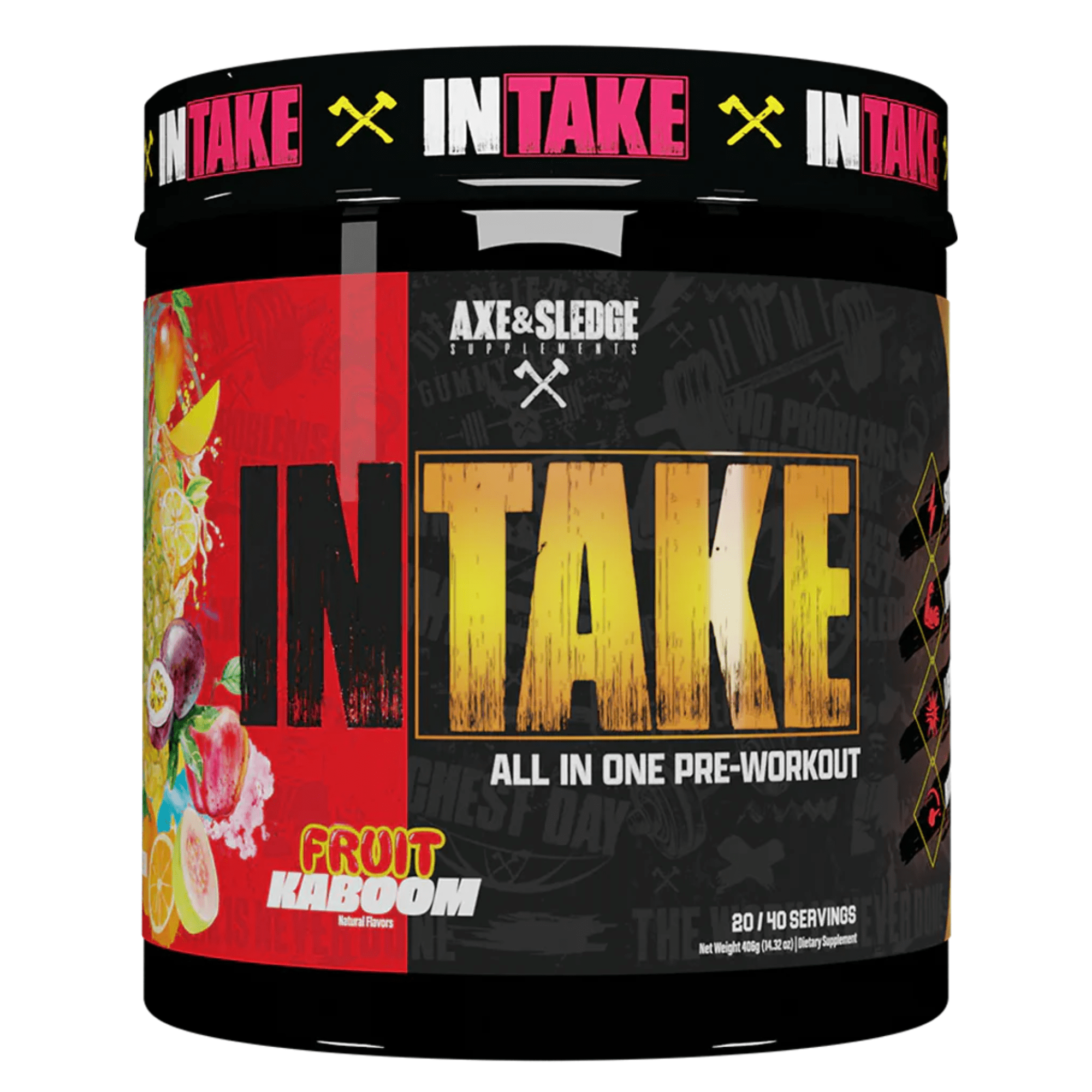
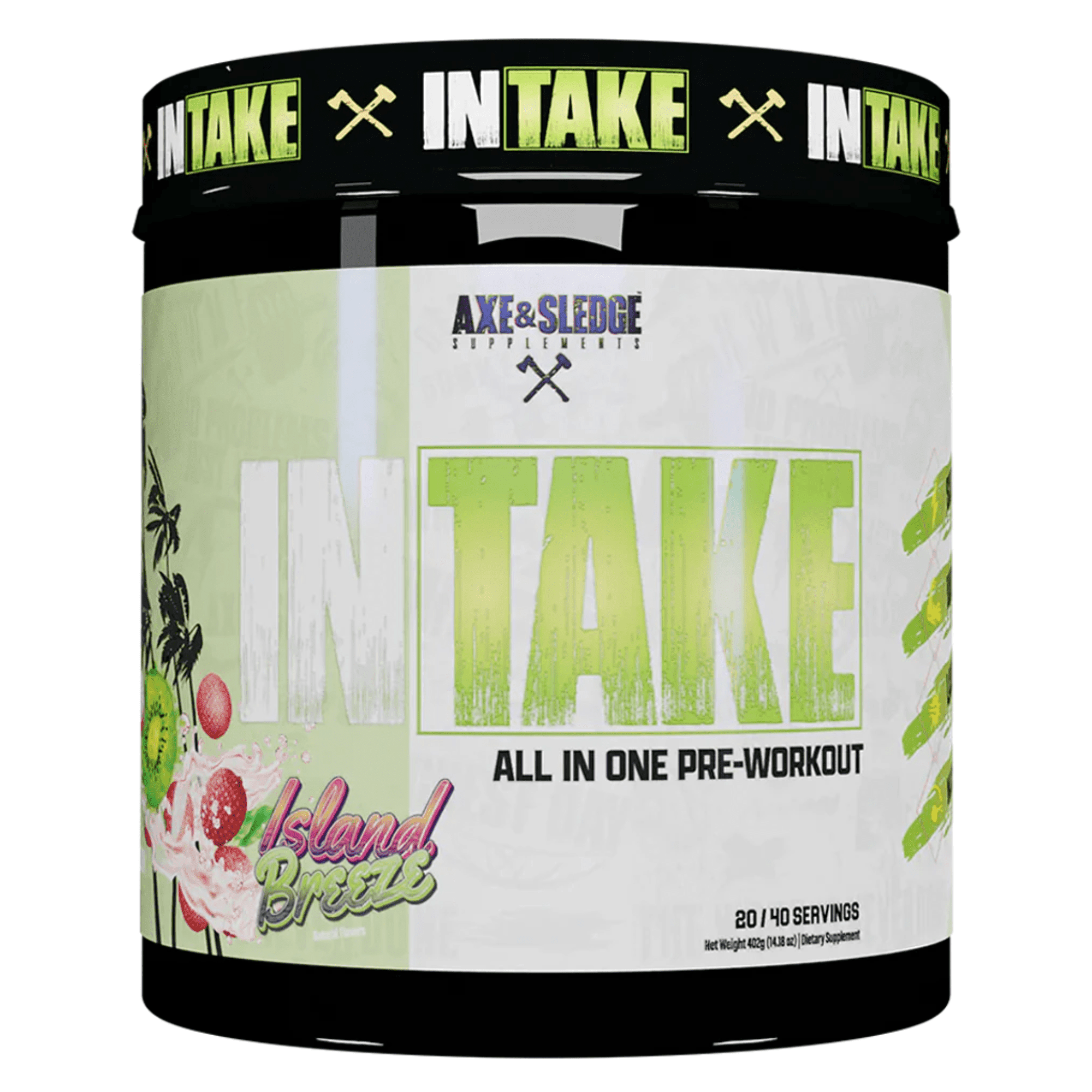
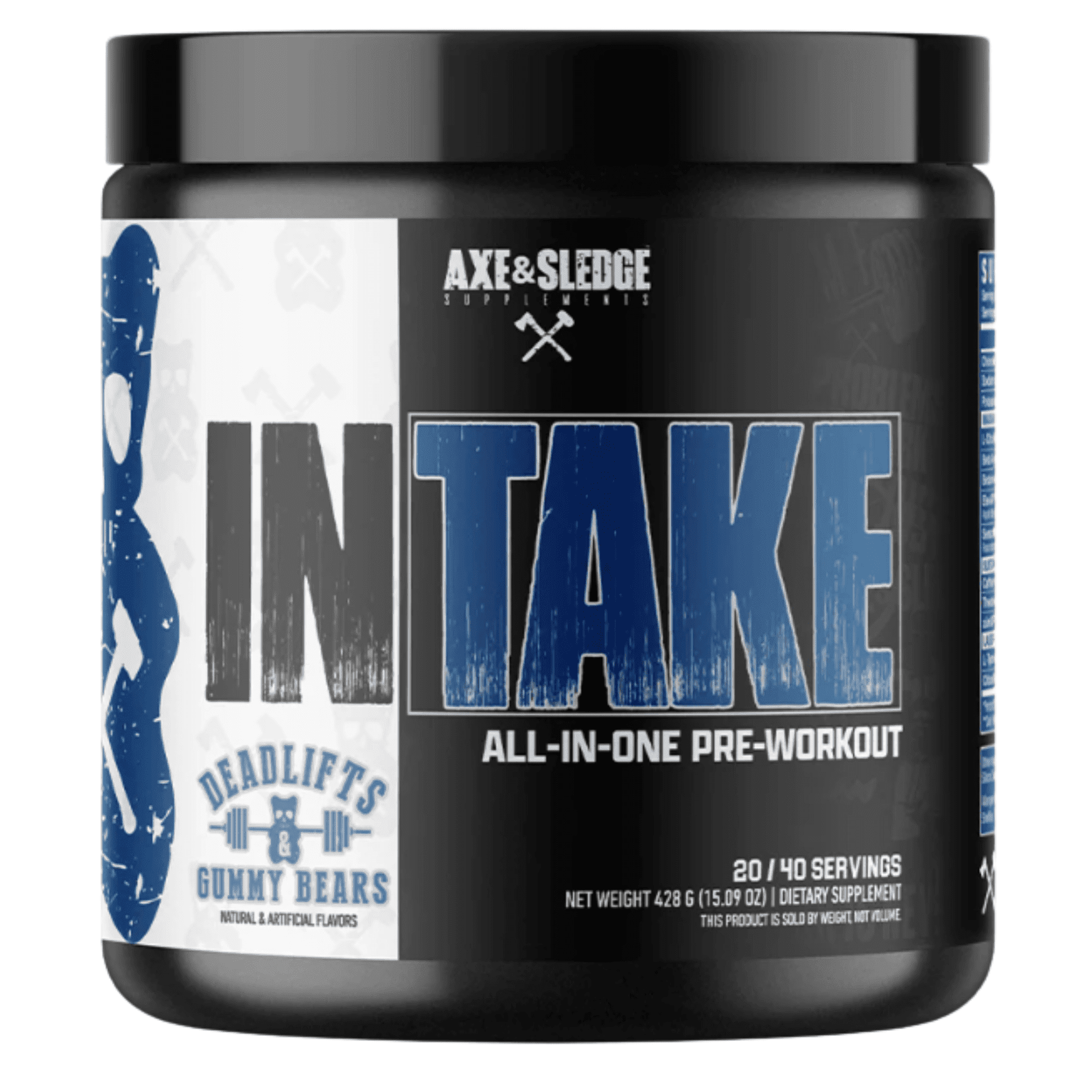
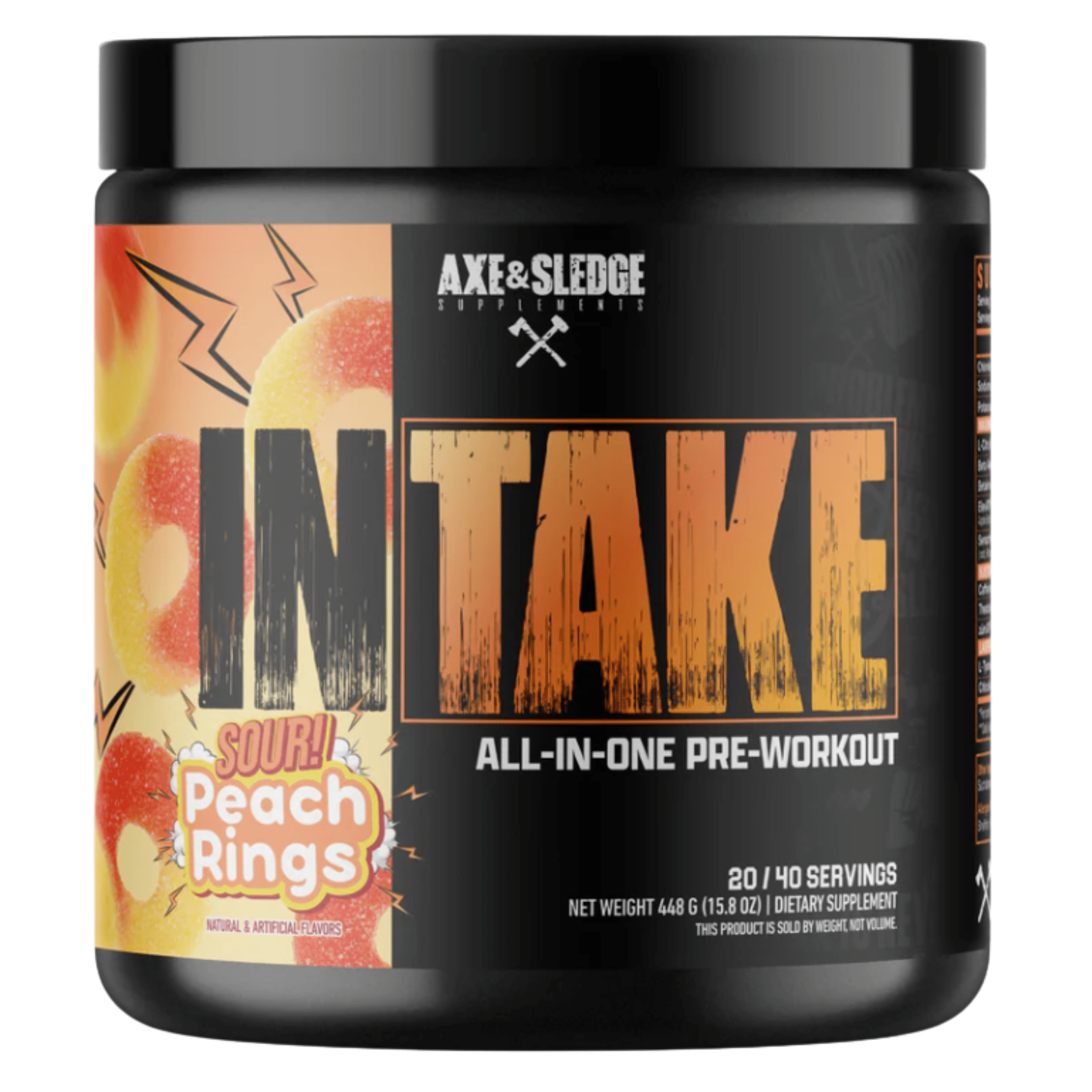
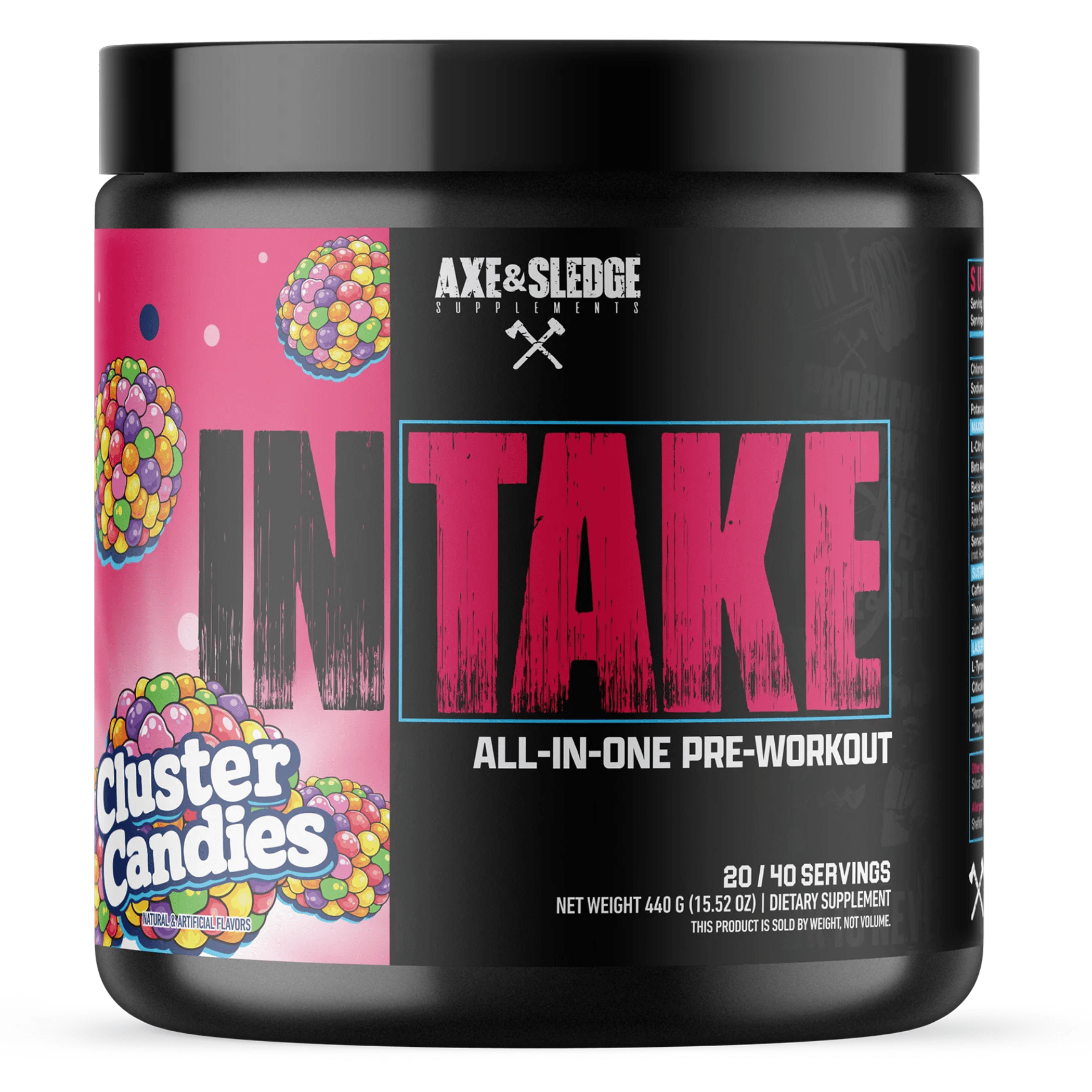
Axe & Sledge Intake
A pre-workout weighted toward focus and mental drive rather than raw stimulation — built around nootropic ingredients alongside caffeine.
Why focus deserves its own category
Worth explaining, because "nootropic pre-workout" sounds like marketing until you consider what actually limits a hard session.
Stimulants and focus are not the same thing. A very high caffeine dose can leave you wired and scattered — heart racing, attention everywhere. That is stimulation, not concentration.
What a focus-weighted pre-workout aims at instead:
- Sustained attention across a long session, rather than a spike that fades
- Mind-muscle connection, which matters more than people admit on isolation work
- Motivation and drive on the days you do not want to be there
- Fewer jitters for the same subjective intensity
The focus ingredients, and what each does
- L-theanine. The best-supported one. It promotes alpha wave activity and takes the edge off caffeine's jitteriness without reducing the alertness. The researched ratio is roughly 1:2 theanine to caffeine — one of the more reliable pairings in this space
- Choline sources — alpha-GPC or citicoline. Choline is the precursor to acetylcholine, the neurotransmitter at the neuromuscular junction, which is the direct biochemical basis for the mind-muscle connection claim. ⚠ Note that alpha-GPC is usually 50% standardised, so a label reading "600mg alpha-GPC" often means 300mg of actual alpha-GPC — see our Alpha-GPC page
- L-tyrosine — a precursor to dopamine and noradrenaline. Its strongest research is under stress, fatigue and sleep deprivation, which is exactly when a training session feels hardest
- Huperzine A — inhibits the enzyme that breaks acetylcholine down, so it works alongside a choline source rather than duplicating it. ⚠ Usually dosed as an extract: 10mg of Huperzia serrata at 1% standardisation is 100mcg of actual huperzine A. Long half-life, so cycling is sensible
How to read the rest of the label
The five checks that work on any pre-workout:
- Citrulline: pure or malate? Malate is roughly a third malic acid, so 8g of malate delivers about 5.3g of actual citrulline. The researched range is 6 to 8g of actual
- Beta-alanine should be 3.2g. The tingle is paraesthesia, and it fades with use
- Betaine should be 2.5g if present
- What is the total caffeine? Count it against 400mg daily, coffee included
- Any proprietary blend? If so, none of the above is checkable
Who a focus-weighted pre-workout suits
- Anyone who gets jittery rather than focused on high-stimulant products
- Bodybuilders doing high-volume isolation work, where mind-muscle connection genuinely matters
- Anyone training after a long working day, where mental fatigue is the real limiter
- People training early, when concentration is worst
- Anyone whose stimulant tolerance is already high and wants something other than more caffeine
Specs
| Type | Nootropic-weighted pre-workout |
| ⚠ Check | Alpha-GPC standardisation, huperzine extract percentage |
| Caffeine | Check the panel and count your day |
How to take it
- 20 to 30 minutes before training, in 8 to 12oz of water.
- Start with half a scoop if it is new to you.
- Not within six hours of bed.
- ⚠ Cycle the huperzine if present — it has a long half-life, so a few weeks on and a week off is sensible.
- Take creatine separately, daily.
Who this is not for
Anyone who just wants maximum stimulation. A high-stim product is the better fit, though read that page's warnings.
Anyone training in the evening.
Anyone already taking a separate nootropic — check for overlap on choline sources and huperzine.
Anyone with anxiety, high blood pressure or a heart condition, without speaking to a doctor.
Anyone on medication affecting acetylcholine, without medical advice.
Tested athletes should check the panel against their federation's list.
Not for anyone under 18, pregnant or nursing.
Stack it with: creatine daily, and a stim-free pump product if pumps are a priority.
Frequently asked questions
What makes it a nootropic pre-workout?
It is weighted toward focus ingredients — choline sources, tyrosine, theanine and often huperzine A — rather than relying on caffeine alone.
Is focus different from stimulation?
Yes. A high caffeine dose can leave you wired and scattered. Focus ingredients aim at sustained attention rather than a spike.
What is the mind-muscle connection ingredient?
Choline sources. Choline is the precursor to acetylcholine, the neurotransmitter at the neuromuscular junction.
Why does alpha-GPC standardisation matter?
Alpha-GPC is commonly 50% standardised, so "600mg alpha-GPC" on a label often means 300mg of the actual compound.
Should I cycle huperzine A?
Sensible, yes. It has a long half-life and inhibits acetylcholine breakdown, so a few weeks on and a week off is the common approach.
What does theanine do?
It promotes alpha wave activity and smooths caffeine's edge without reducing alertness. The researched ratio is roughly 1:2 theanine to caffeine.
Why does it make me tingle?
Beta-alanine — harmless paraesthesia that fades with regular use.
When should I take it?
20 to 30 minutes before training, and not within six hours of bed.
You may also like
Recently viewed
- Opens in a new window.