
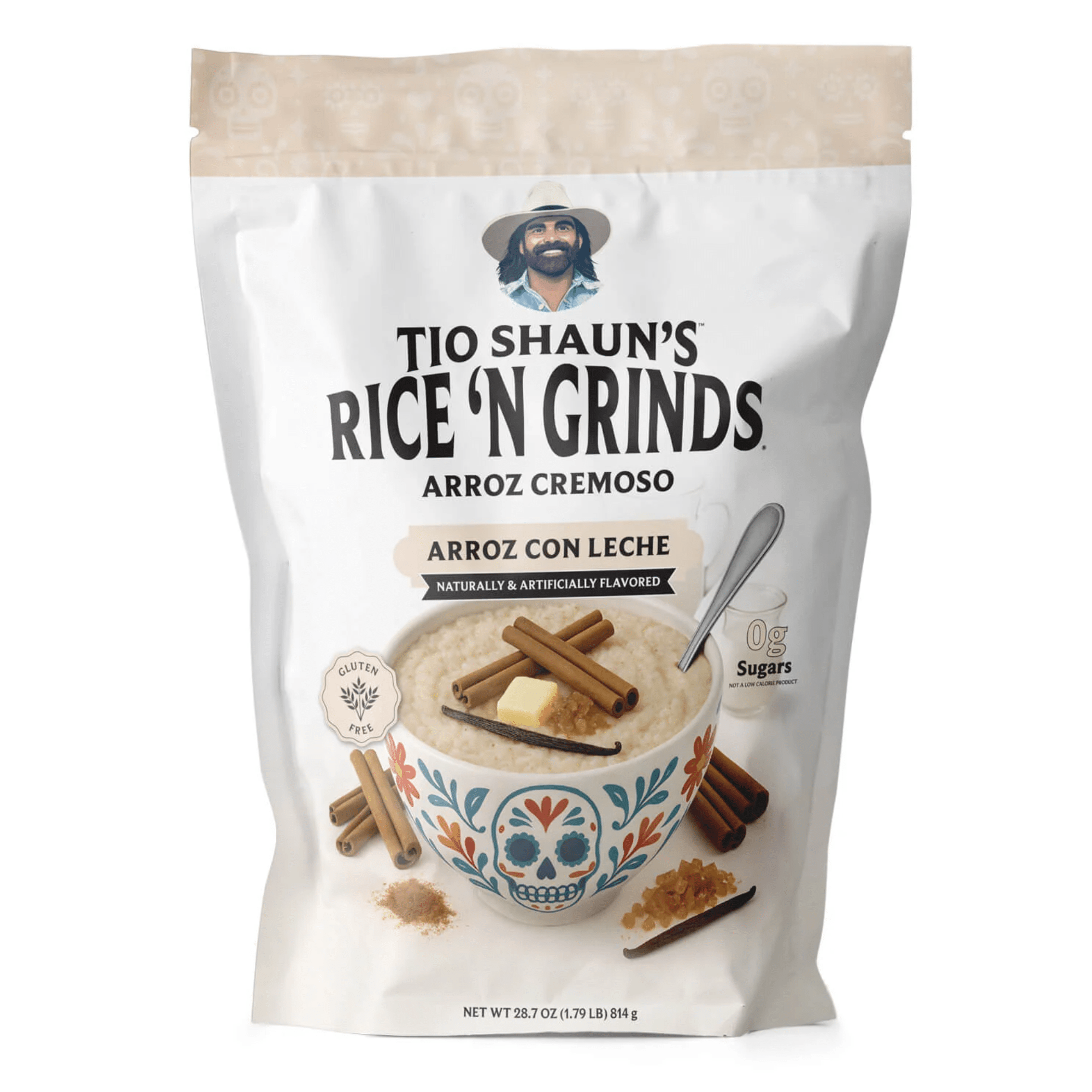
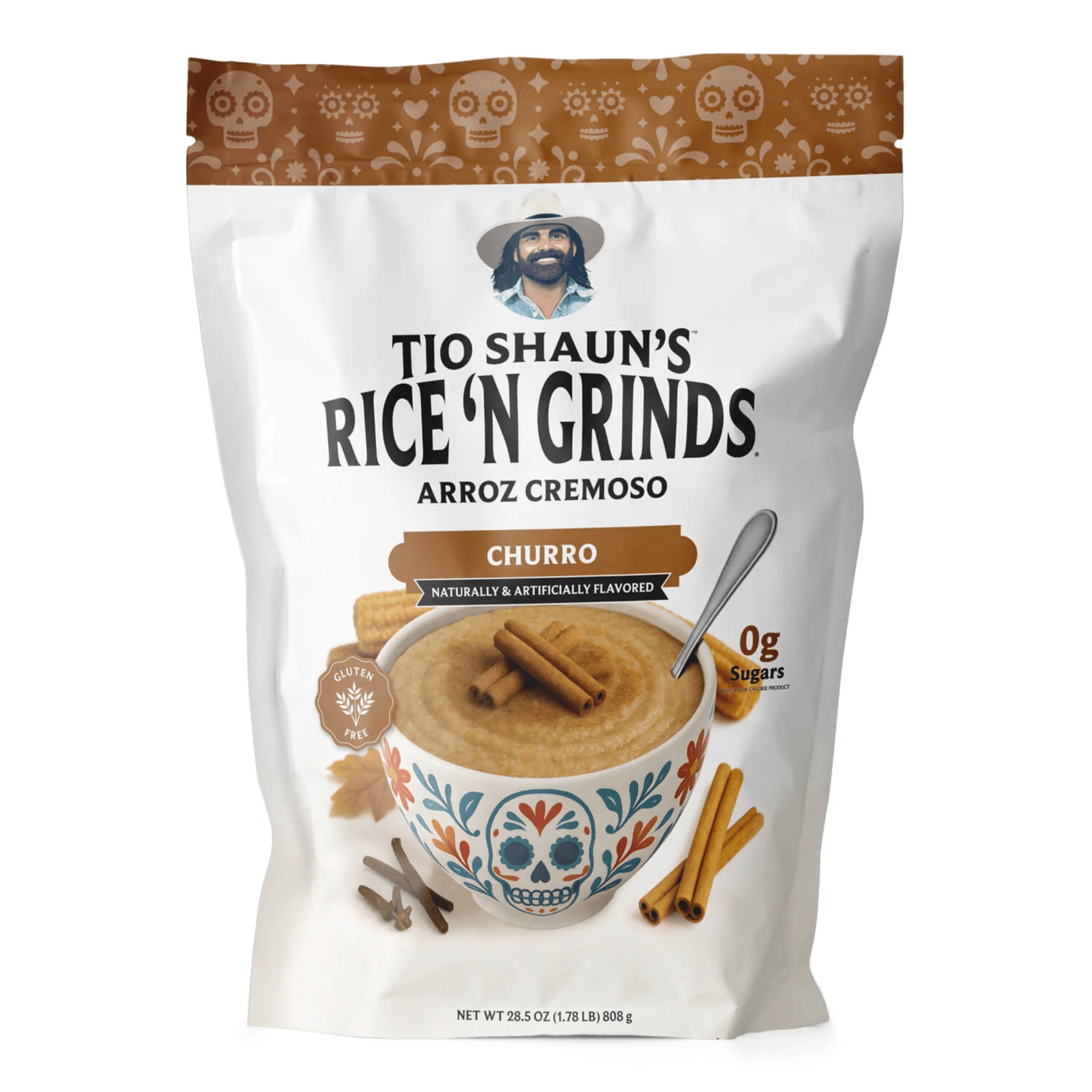

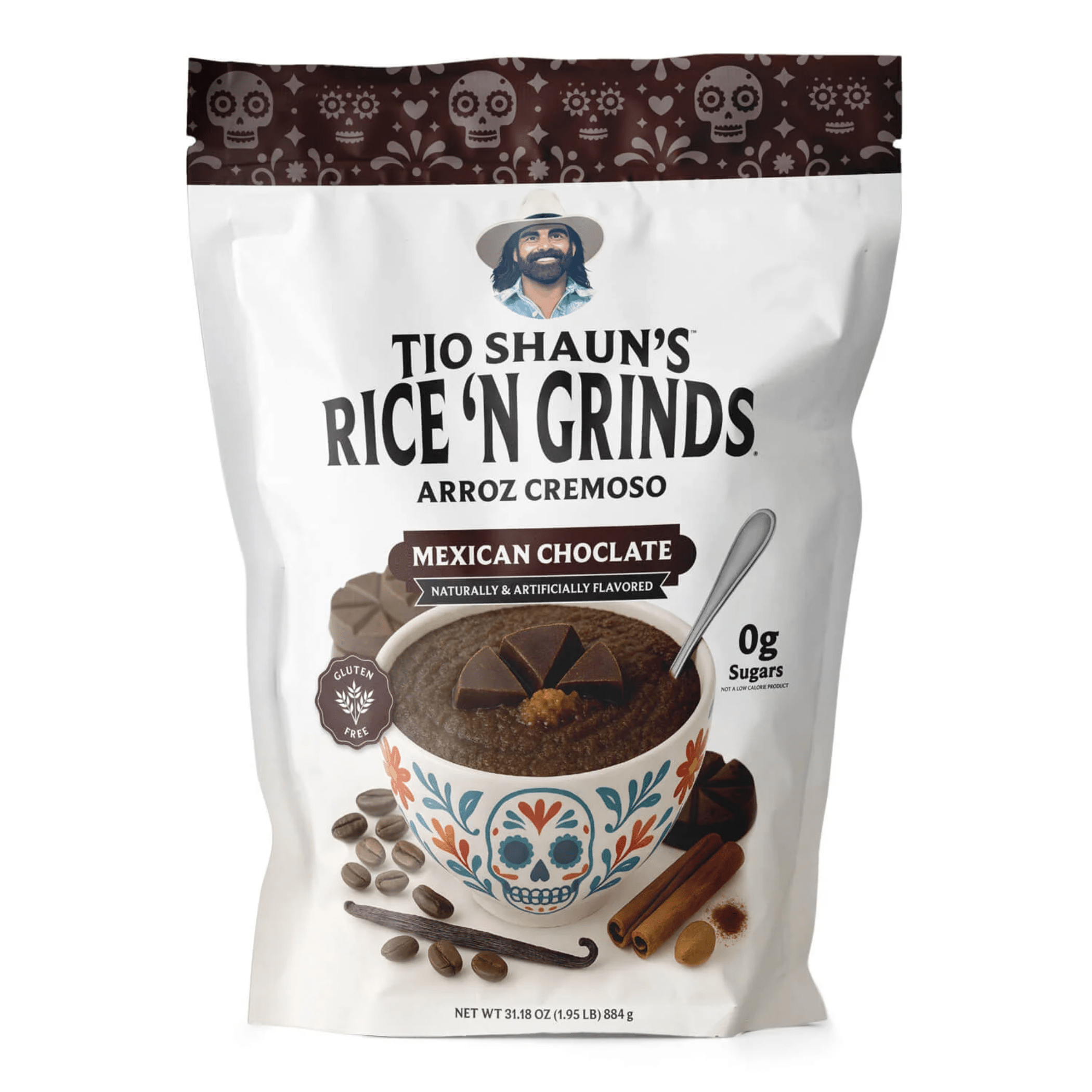


Description
Pride Foods El Especial del TioShaun
A real-food carbohydrate product — fuel rather than a supplement.
Carbohydrate is not the enemy
Worth stating plainly, because a decade of low-carb messaging has left a lot of people afraid of the most useful macronutrient for training.
Muscle glycogen is your primary fuel for resistance training. A hard session depletes it meaningfully, and depleted glycogen is exactly why the last few sets feel considerably harder than the first.
What adequate carbohydrate does:
- Fuels training intensity. Low glycogen means fewer quality reps, and fewer quality reps means less stimulus
- Refills what you depleted, so the next session is not compromised
- Spares protein. Without adequate carbohydrate your body is more inclined to break down protein for energy
- Supports the hormonal environment. Severe carbohydrate restriction over long periods affects thyroid output and testosterone
- Draws water into muscle — glycogen is stored with water, which is why muscles look fuller on higher carbohydrate
If you train hard and avoid carbohydrate, you are training with less fuel than the session requires. That is a straightforward trade, and most people making it do not realise they are.
Real food versus a carbohydrate powder
Both have a place, and the difference is straightforward.
| Real-food carbohydrate | Fibre, micronutrients, satiety | Better as a meal or between meals |
| Carbohydrate powder | Low osmolality, clears fast | Better during training |
The reason powders exist is osmolality. Your stomach empties based on particle count rather than gram count, so simple sugars — being small molecules — pack many particles into a given weight, sit heavily and cause sloshing. Engineered carbohydrates have far fewer particles for the same weight and clear quickly.
That matters during training. It matters far less at any other time — and outside the session, real food brings fibre, micronutrients and satiety that no powder does.
Where it fits
- Before training, giving you fuel for the session
- After training, refilling glycogen alongside protein
- As a meal component on high-volume training days
- In a gaining phase, where palatable calories are the actual constraint
- Around endurance work, where glycogen turnover is highest
⚠ How much carbohydrate do you actually need?
It depends entirely on training volume, and the honest range is wide.
- Low-volume training or a fat loss phase — carbohydrate can be moderate, with protein and total calories mattering more
- High-volume training — considerably more, and this is where people under-eat carbohydrate without realising
- Endurance work — higher again, since glycogen is the limiting fuel
The practical marker is performance. If your later sets are collapsing, your sessions feel flat, and you are recovering poorly between them, carbohydrate is one of the first things to look at — before any supplement.
Specs
| Type | Real-food carbohydrate source |
| Best used | Around training, or as a meal component |
| ⚠ Check | Allergens and total calories |
How to eat it
- Before or after training, where the carbohydrate is most useful.
- Alongside a protein source — carbohydrate and protein together do more than either alone.
- Count it toward your daily totals as food.
- Not during training if you need something that clears fast — a carbohydrate powder is the tool there.
Who this is for
- Anyone training at high volume who needs real fuel
- People in a gaining phase struggling to eat enough
- Anyone who would rather eat food than drink a powder
- Endurance athletes with high glycogen turnover
- Anyone whose sessions have gone flat on low carbohydrate
Who this is not for
Anyone in an aggressive deficit counting every calorie. These are real calories — useful if you need the fuel, counterproductive if you do not.
Anyone wanting something to sip during training. A low-osmolality powder clears the stomach far better mid-session.
Anyone on a deliberate ketogenic approach.
Anyone with a diagnosed blood glucose condition, without speaking to a doctor.
Check the panel for allergens.
Stack it with: a protein source. Carbohydrate and protein together around training do more than either on its own.
Frequently asked questions
Do I need carbohydrate if I lift?
Muscle glycogen is your primary fuel for resistance training, and depleted glycogen is why later sets feel harder. Training hard while avoiding carbohydrate means training with less fuel than the session requires.
Real food or a carbohydrate powder?
Powders are engineered for low osmolality so they clear the stomach quickly during training. Outside the session, real food brings fibre, micronutrients and satiety a powder does not.
How much do I need?
It depends on training volume. The practical marker is performance — flat sessions and collapsing later sets suggest you are short.
Will carbohydrate make me fat?
A calorie surplus does that. Carbohydrate specifically fuels training and refills glycogen.
Why do my muscles look fuller on higher carbohydrate?
Glycogen is stored with water, so filling glycogen stores draws water into muscle.
When should I eat it?
Before or after training, alongside a protein source.
Can I have it during training?
Better not — real food sits heavily mid-session. A low-osmolality powder is the tool for that.
Does carbohydrate spare protein?
Yes. Without adequate carbohydrate your body is more inclined to break down protein for energy.
You may also like
Recently viewed
- Opens in a new window.