


Description
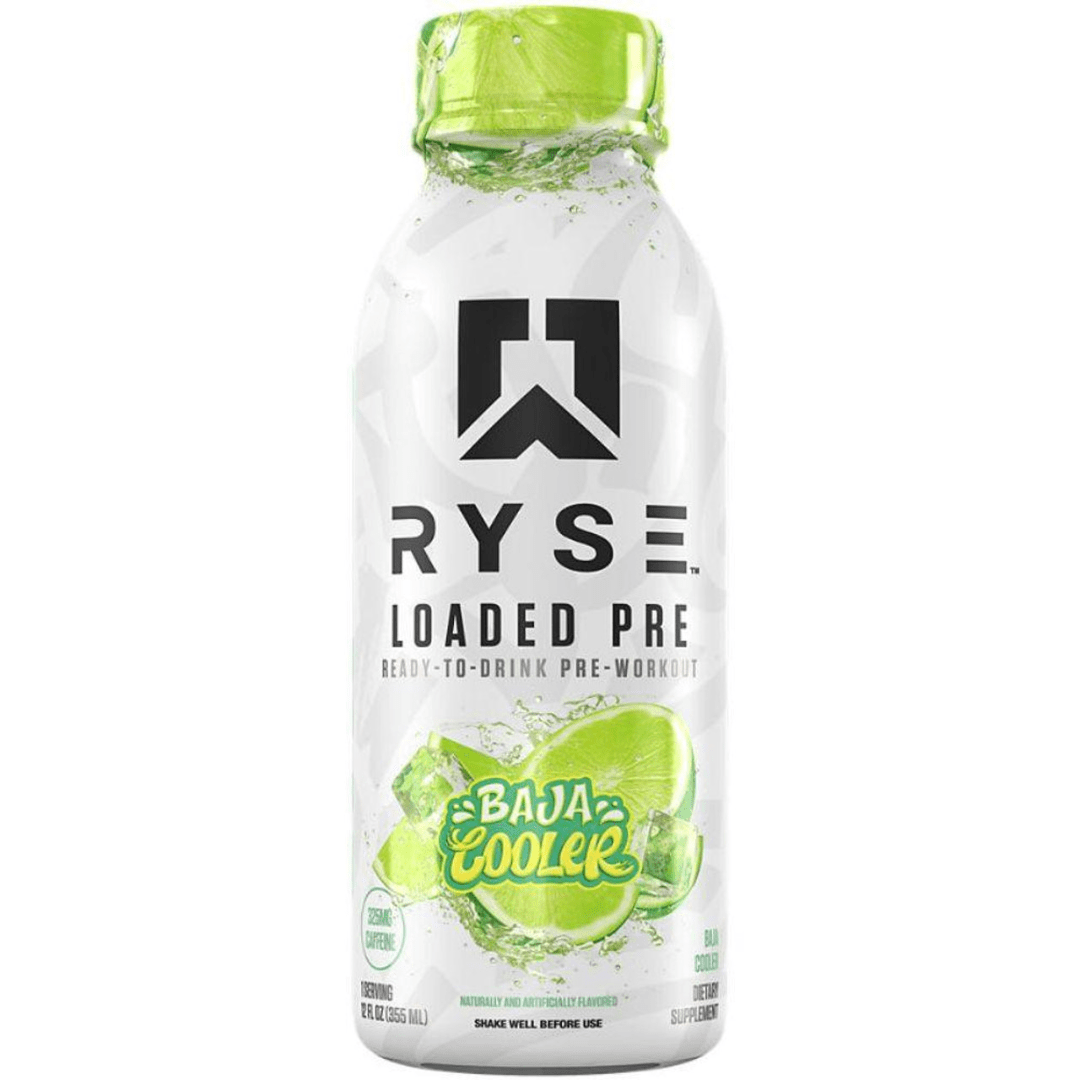
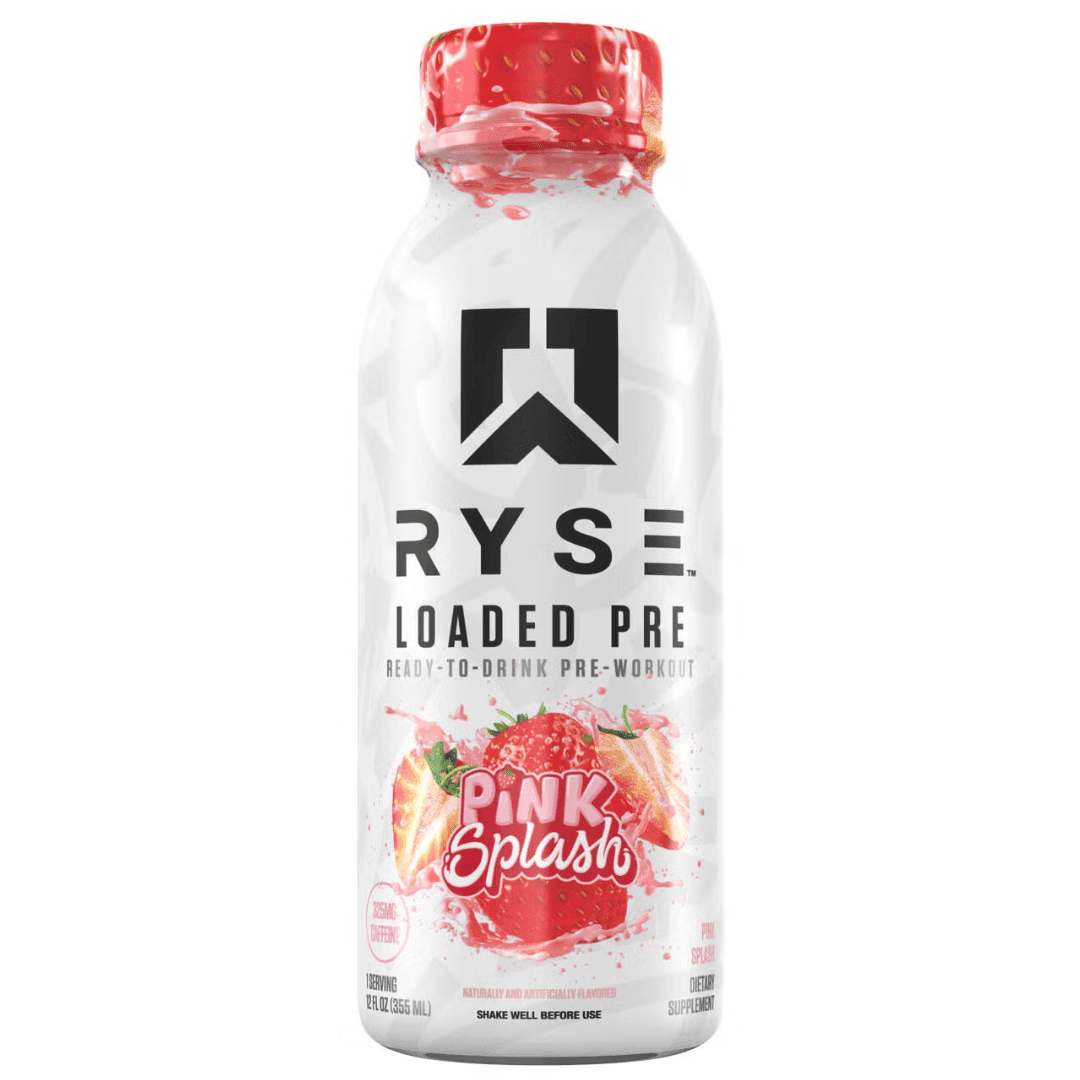
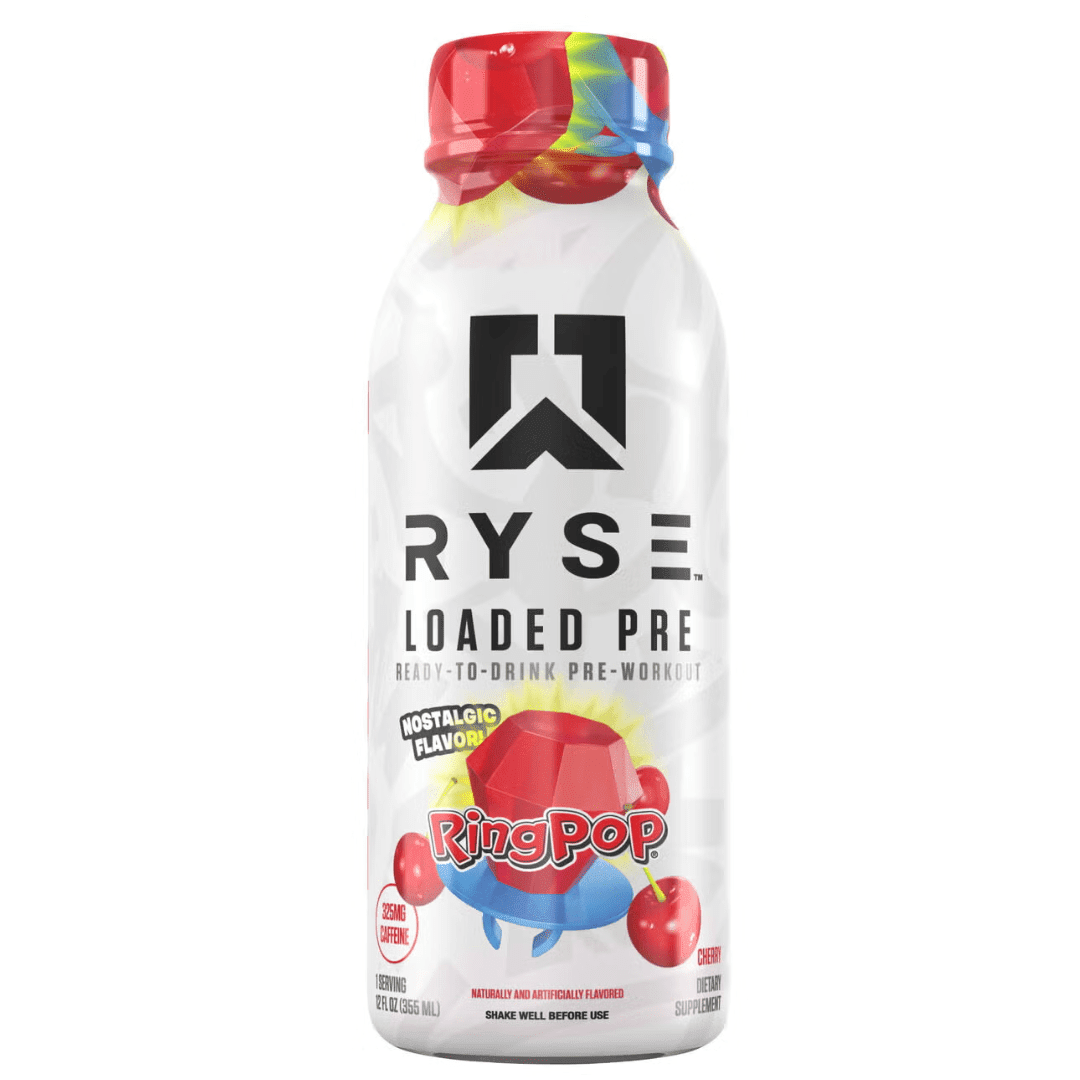
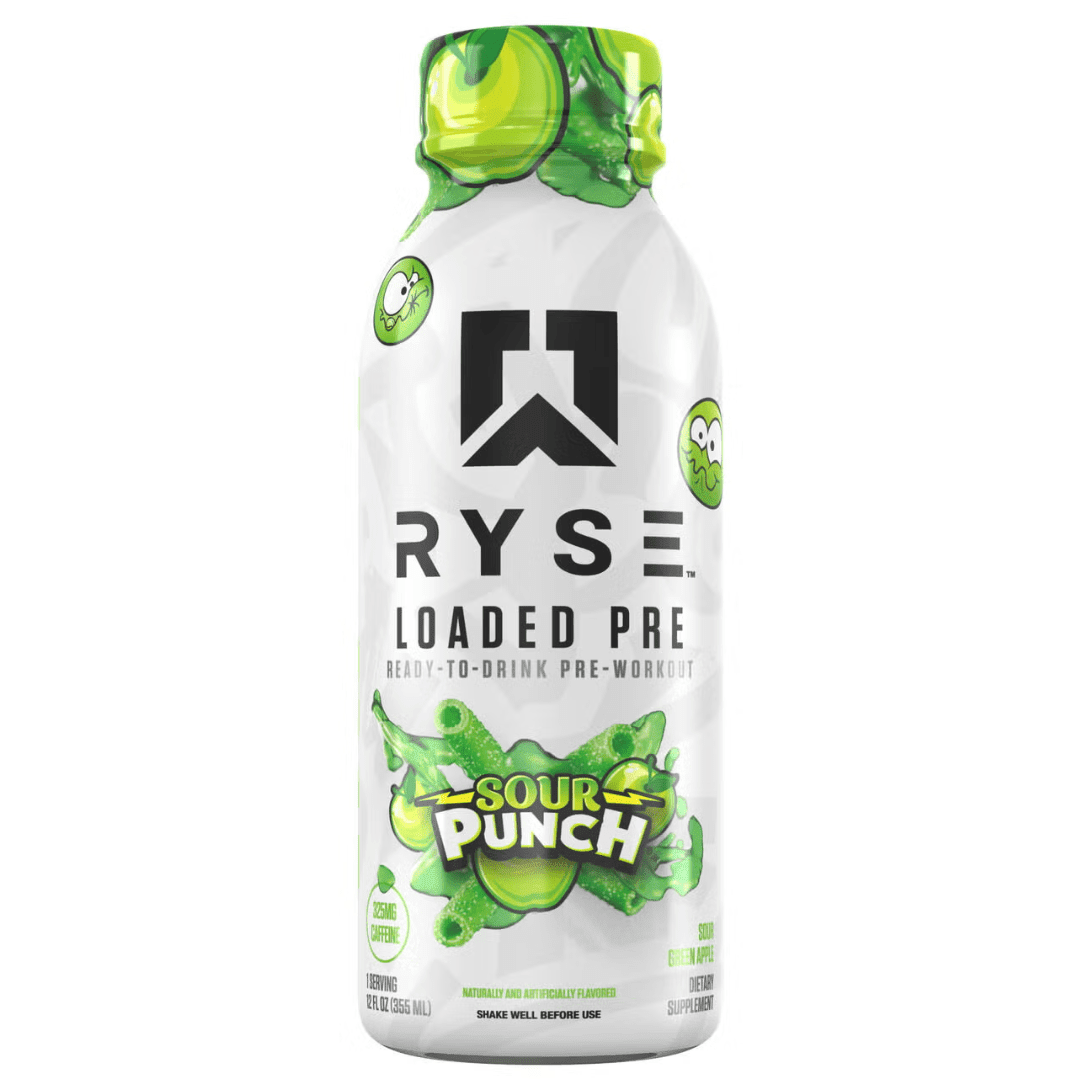
RYSE Loaded Pre RTD
A ready-to-drink version of RYSE's pre-workout — no scoop, no shaker, no clumping.
⚠ The trade-off with any canned pre-workout
Worth understanding before you buy a case, because it is a physical constraint rather than a shortcut by the brand.
A can holds a fixed volume of liquid. Fully dosed pump and endurance ingredients take up a lot of space.
- 6 to 8g of citrulline is a substantial amount of powder
- 3.2g of beta-alanine on top of that
- 2.5g of betaine as well, if included
Fitting all of that into a drinkable can, alongside flavouring and everything else, is genuinely difficult. So RTD pre-workouts tend to lead on the stimulant side — where the effective doses are measured in milligrams rather than grams — and carry lighter pump and endurance ingredients than a full scoop of powder.
That is not a criticism of the product. It is what the format allows, and knowing it lets you buy sensibly: a can for convenience, powder for full doses.
⚠ And a can is easy to drink without thinking
Measuring a scoop is a small deliberate act — you see the powder, you decide how much. A can in the fridge feels like a drink rather than a dose.
That matters because RTD pre-workouts frequently carry 200 to 300mg of caffeine in packaging that resembles a soft drink.
- Count it against your daily total. The FDA cites 400mg for healthy adults, coffee included
- Do not drink one and then take a scoop of something else
- Not an all-day beverage. It is a training dose
- Not within six hours of bed — caffeine has a long half-life, and sleep matters more than the session
What each ingredient category does
So you can read the back of any can:
- Energy and focus — caffeine, with by far the deepest evidence in sports nutrition for power output, endurance and perceived exertion. Tyrosine supports it under fatigue. Theanine, if present, smooths the edge at roughly 1:2 theanine to caffeine
- Blood flow and pump — citrulline, which raises blood arginine more effectively than arginine itself, because oral arginine is largely destroyed before absorption
- Muscular endurance — beta-alanine, buffering the acid that limits you in the 60-second to 4-minute range. It accumulates over four to six weeks, so timing is irrelevant and rest days count
Because beta-alanine works by accumulation, a partial dose in a can is not useless — it contributes to saturation over time. It simply takes longer than a full 3.2g daily would.
Where an RTD wins
- Training straight from work, where mixing is impractical
- In the car on the way to the gym
- Travel
- Anyone who dislikes gritty or poorly mixing powders
- Consistent dosing — no heaped scoops, no guessing
Where powder wins: cost per serving, fully dosed pump ingredients, and the ability to take half a serving.
Specs
| Format | Ready to drink |
| ⚠ Caffeine | Check the can and count your day |
| Advantage | Consistent dose, nothing to mix |
| Trade-off | Lighter pump ingredients than a full scoop |
How to take it
- 20 to 30 minutes before training.
- Chilled, which improves it considerably.
- Half a can to start if you are unsure of your tolerance.
- Not within six hours of bed.
- Not alongside another stimulant product.
- Add a stim-free pump product if pumps matter to you — that fills the gap the format creates.
- Take creatine separately, daily and including rest days.
Who this is for
- Anyone training straight from work or on the move
- People who dislike mixing powders
- Anyone who wants a consistent dose without measuring
- Travellers
- People who want convenience and are content with a lighter pump profile
Who this is not for
Anyone optimising cost per serving. Powder is significantly cheaper.
Anyone who wants fully dosed citrulline and beta-alanine. A can cannot physically hold them.
Anyone training in the evening.
Anyone caffeine sensitive, or already drinking several coffees daily.
Anyone with high blood pressure, a heart condition or anxiety, without speaking to a doctor.
Tested athletes should check the panel against their federation's list.
Not for anyone under 18, pregnant or nursing.
Stack it with: a stimulant-free pump product, which addresses exactly what the can format cannot carry, and creatine daily.
Frequently asked questions
Is it as good as the powder?
On stimulants, yes. On pump and endurance ingredients, generally not — a can cannot physically hold 8g of citrulline plus 3.2g of beta-alanine and remain drinkable.
How much caffeine is in it?
Check the can — RTD pre-workouts commonly carry 200 to 300mg. Count it against 400mg daily, including coffee.
Why is it more expensive?
You are paying for the can, the liquid and the convenience.
Can I drink it like a soft drink?
No. It is a training dose in a format that resembles a beverage, which is exactly why it is easy to over-consume.
Is a partial beta-alanine dose useless?
No. Beta-alanine works by accumulation over weeks, so a smaller daily amount still contributes to muscle carnosine — it just takes longer.
When should I drink it?
20 to 30 minutes before training, and not within six hours of bed.
How do I get a better pump from it?
Add a stimulant-free pump product. That fills the gap the can format creates without adding caffeine.
Does it contain creatine?
Check the label. If not, take creatine separately and daily, including rest days.