


 Staff pick
Nutristat
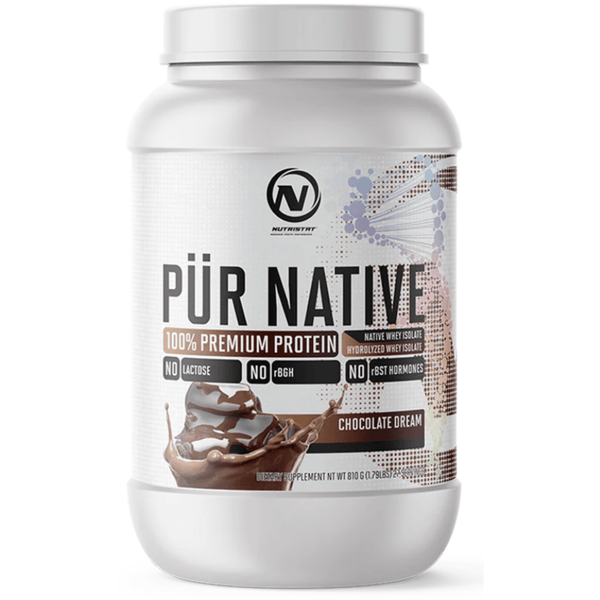
Nutristat PÜR NATIVE Whey IsolatePur Native is the on protein we've seen at 95% purity, higher than all other isolates. With almost 50% more leucine, it's a no-brainer pick.
$ 79.99Choose options
Every protein here is listed so you can compare what actually matters: protein per serving, protein per calorie, and what the protein is made of. If you are not sure, whey isolate is the sensible default for most people.
And the thing that matters more than any of the above: total daily protein. Roughly 1.6 to 2.2 grams per kilogram of bodyweight, spread across the day. Which powder you choose is a detail next to whether you hit that number.
Narrow it down




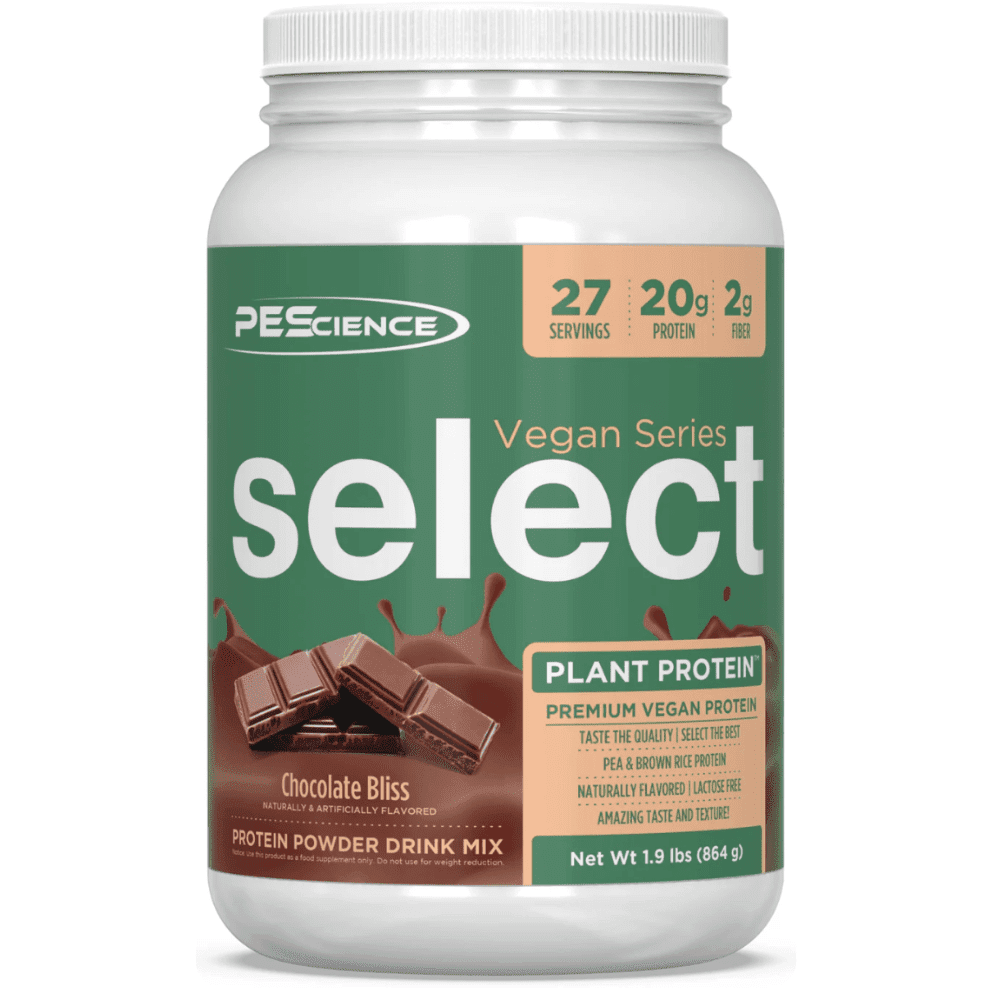
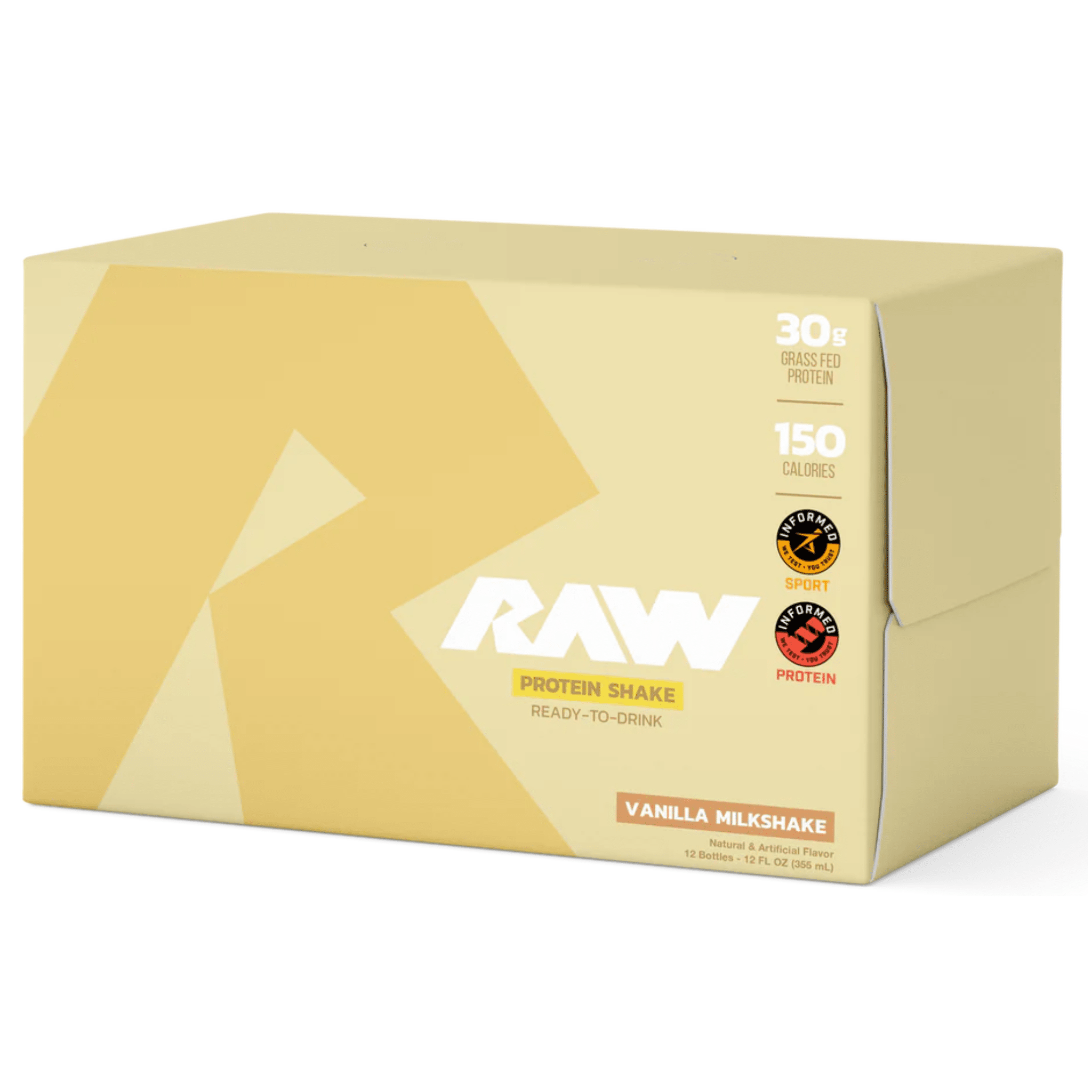
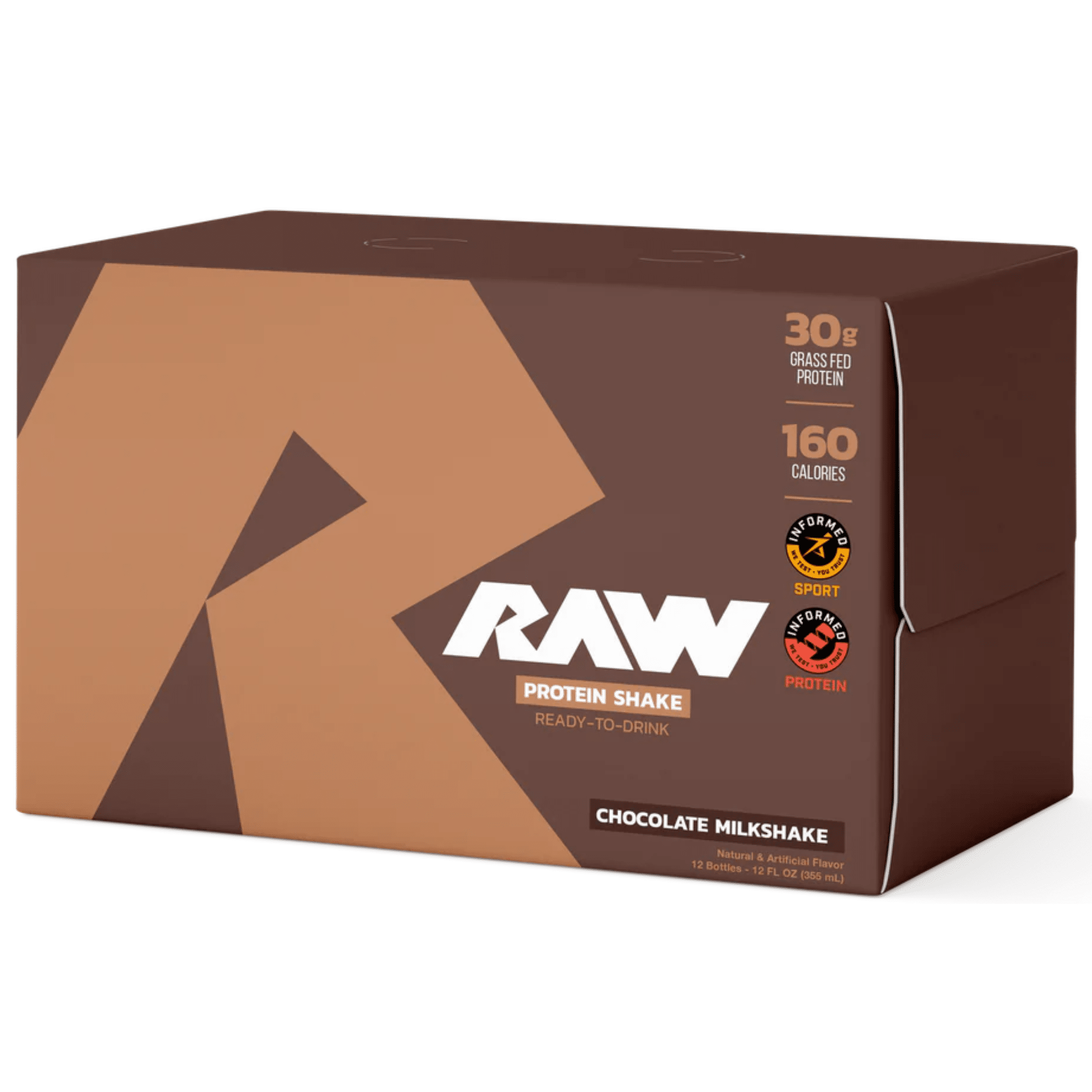
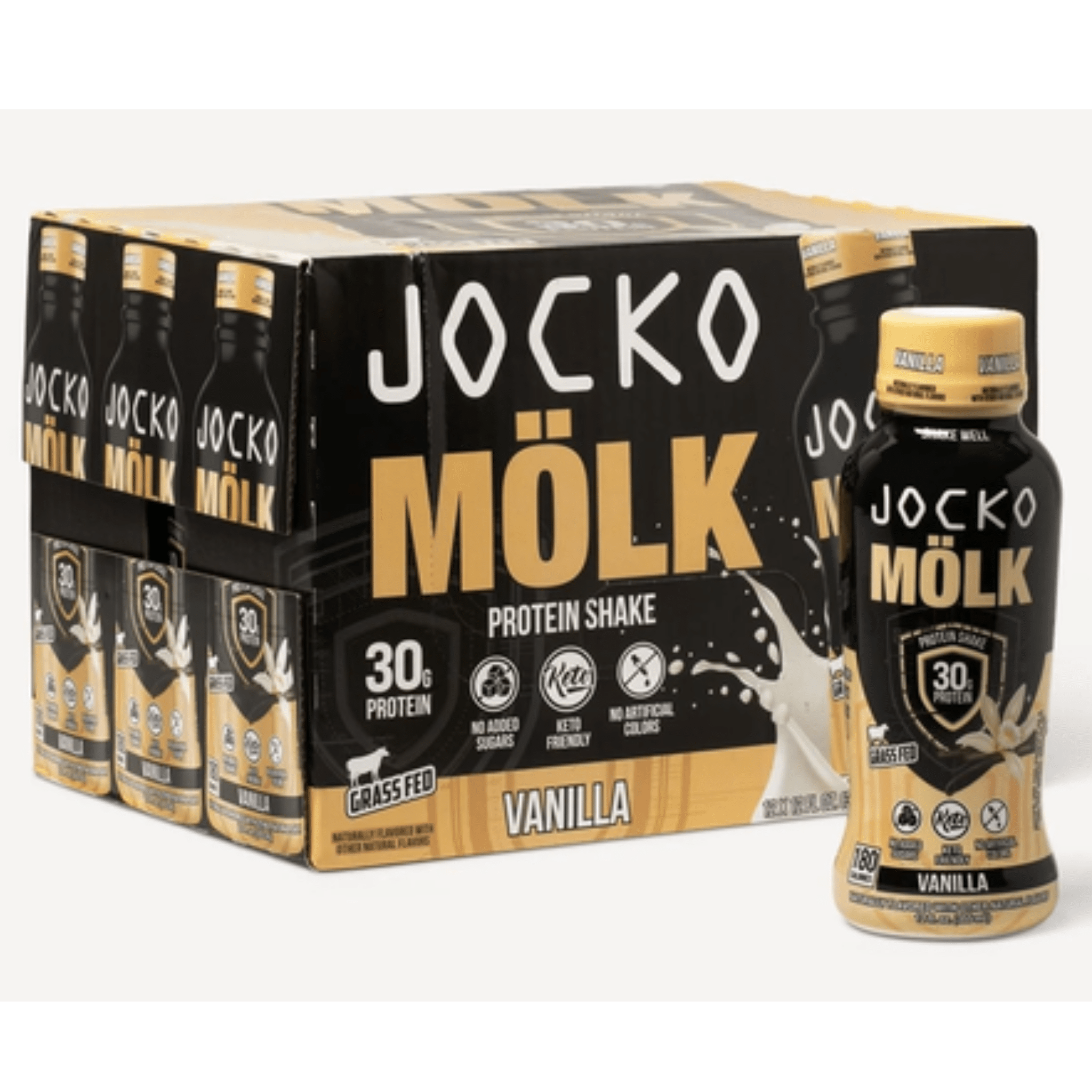
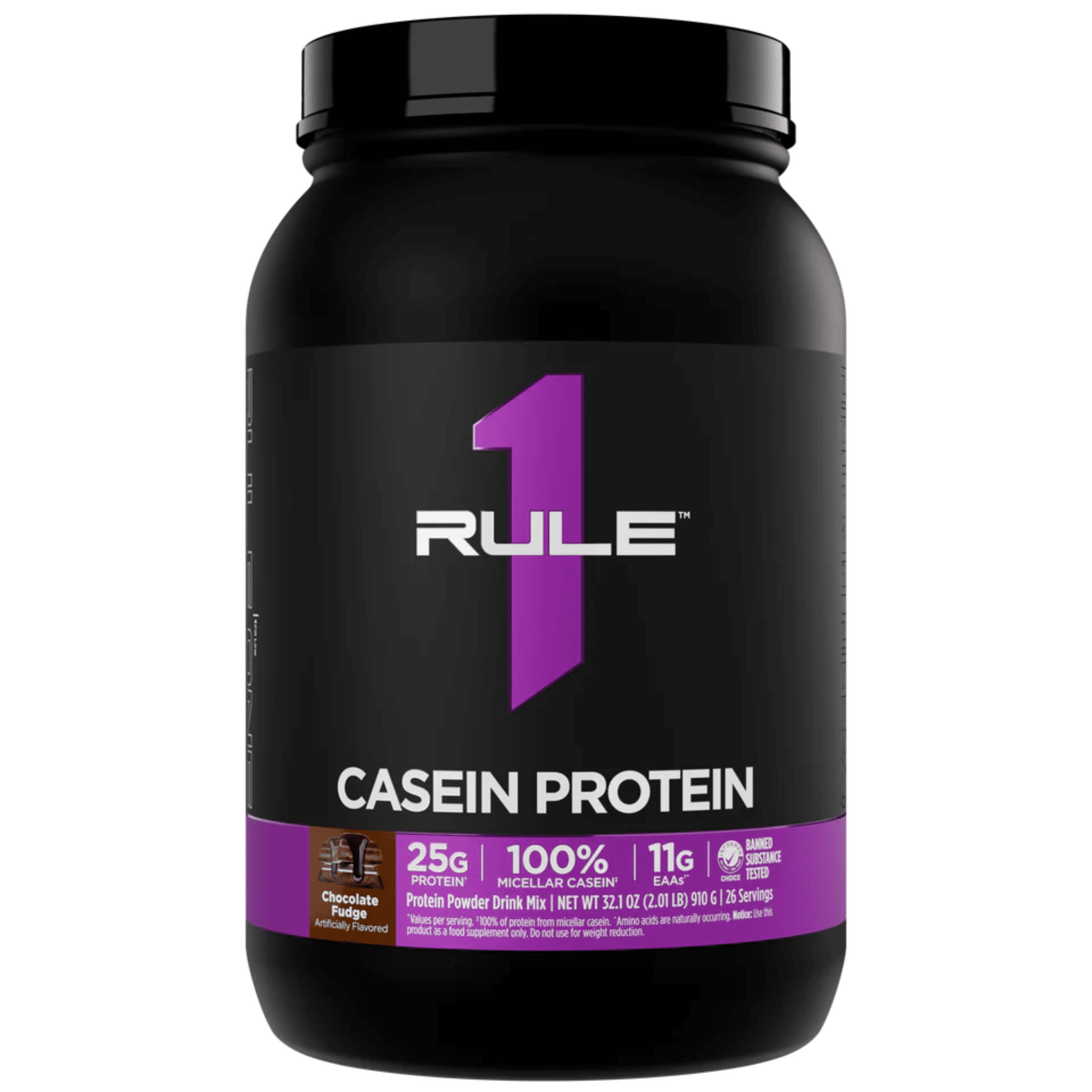
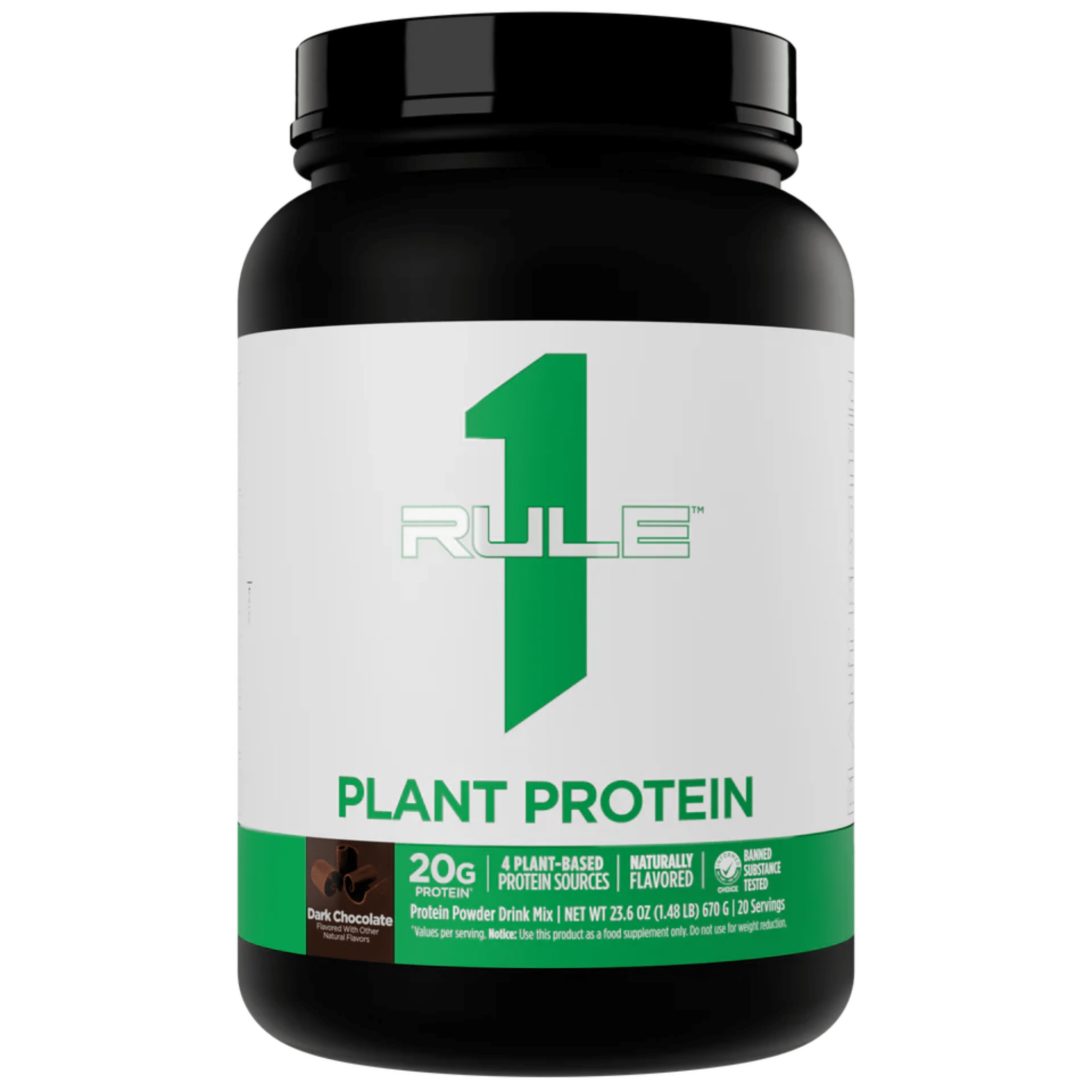
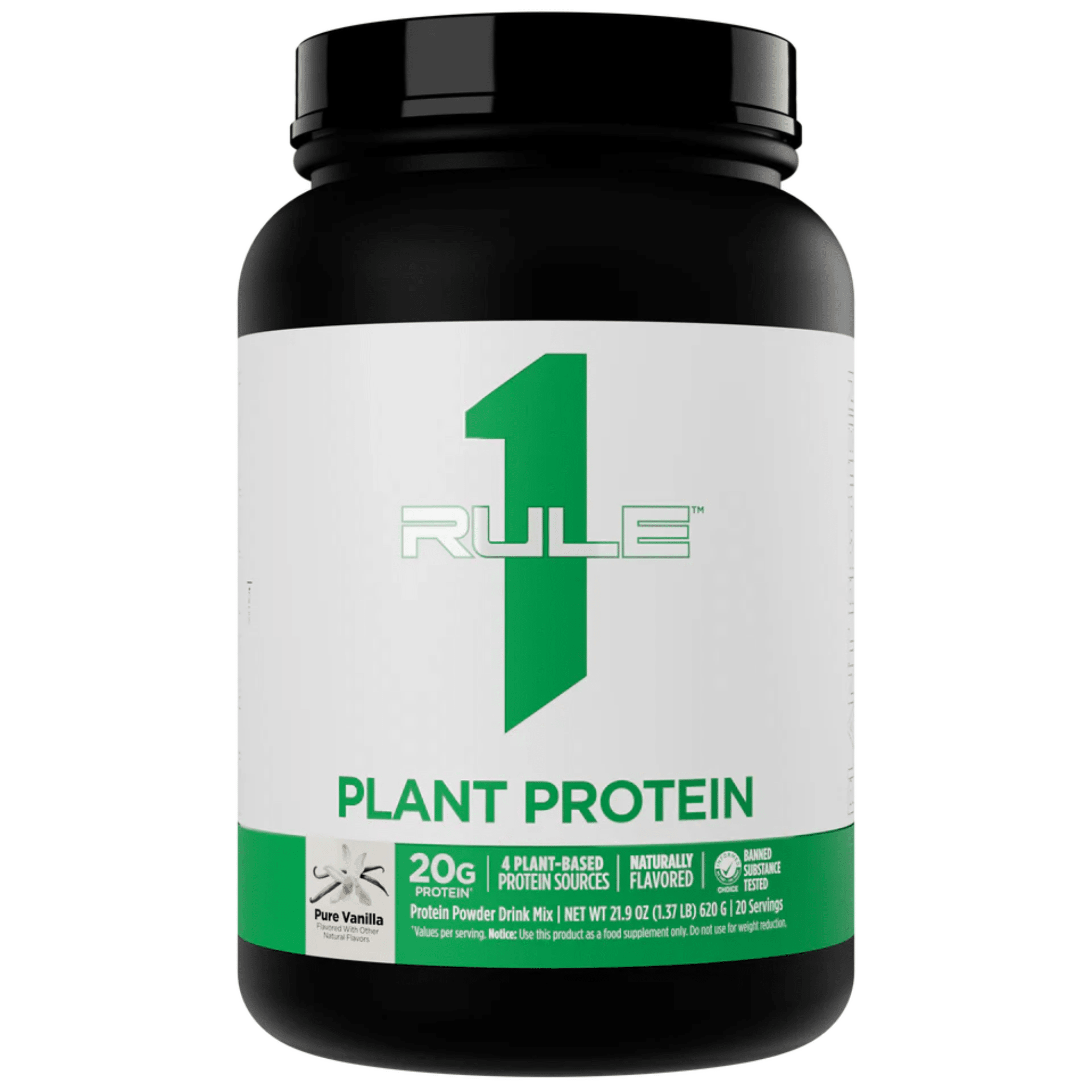
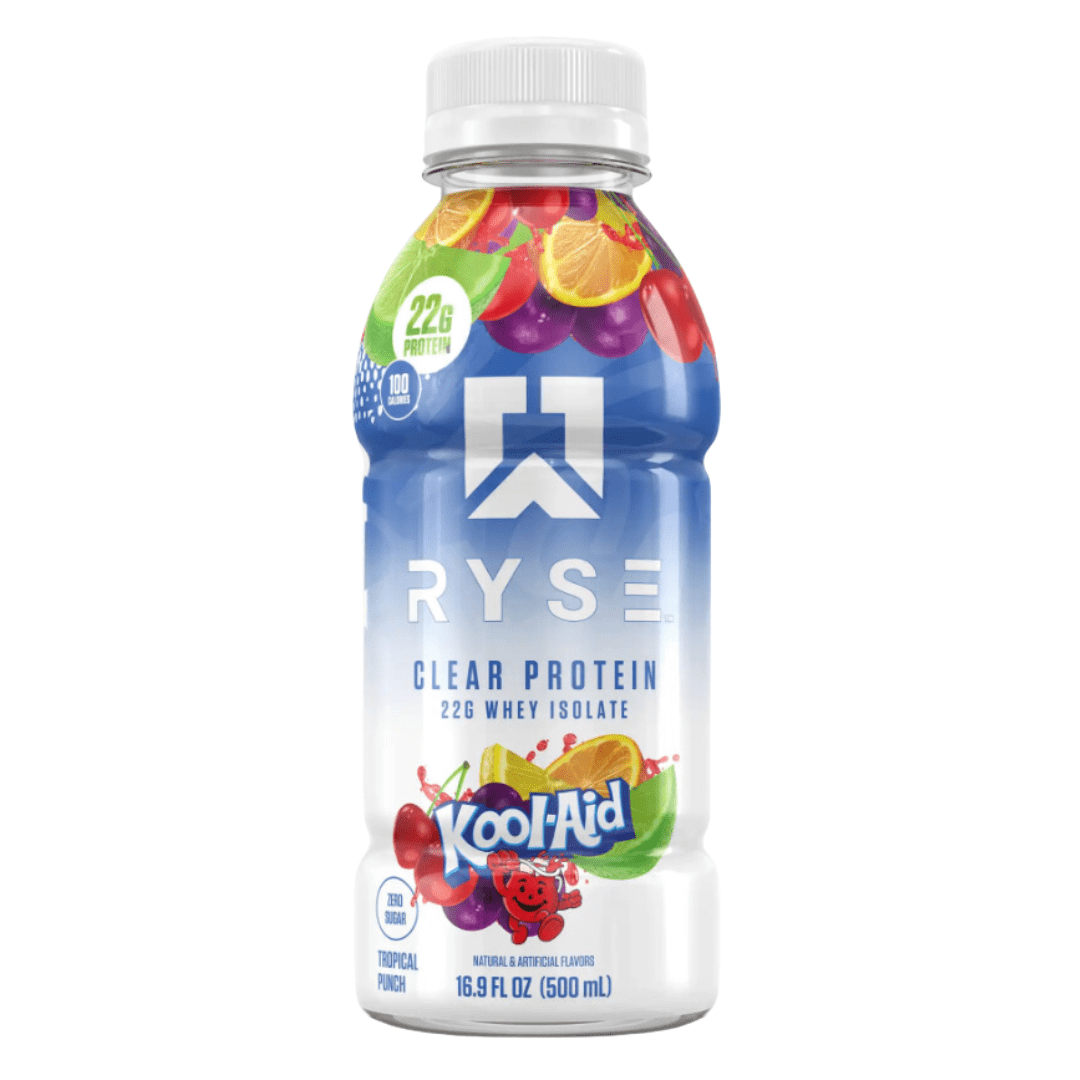
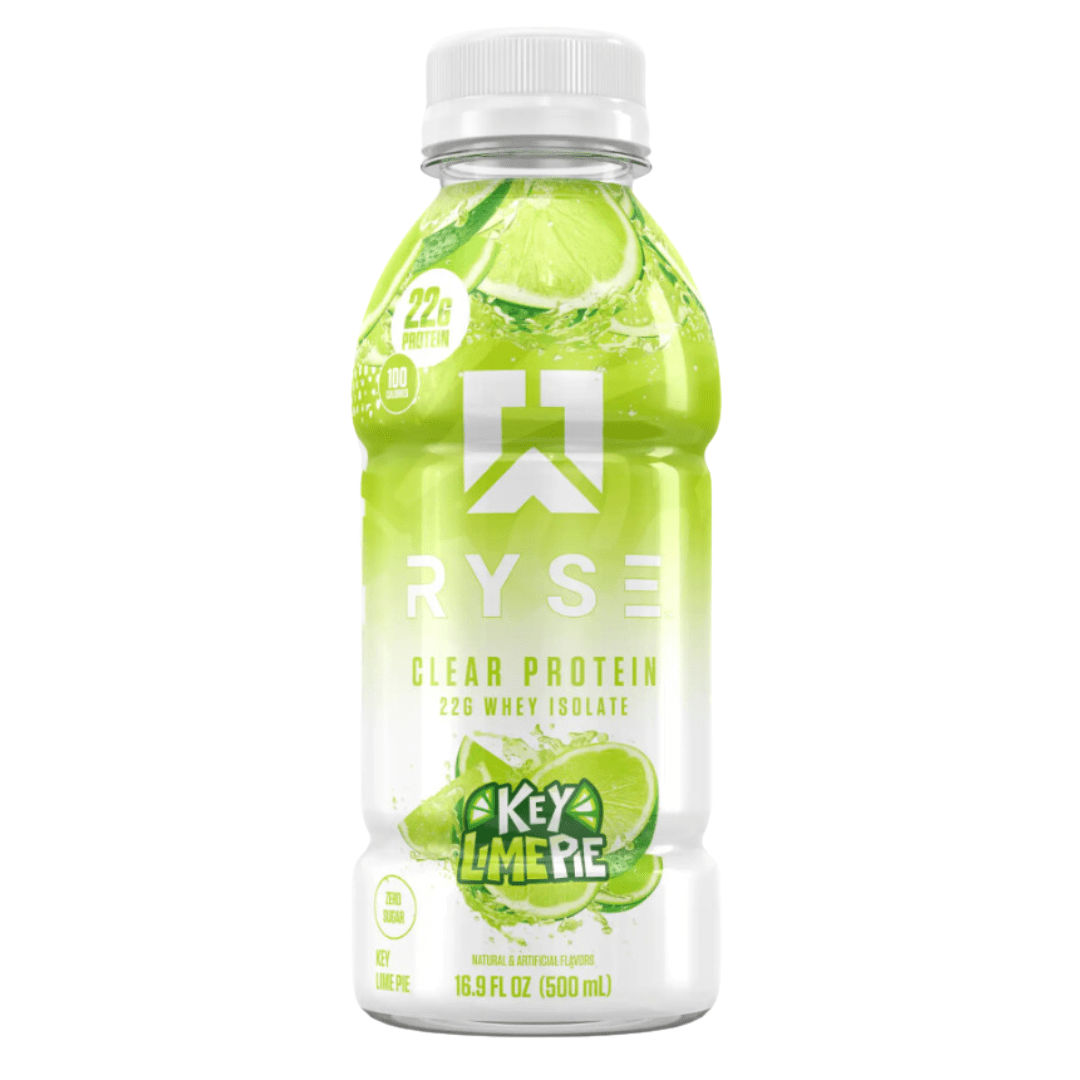
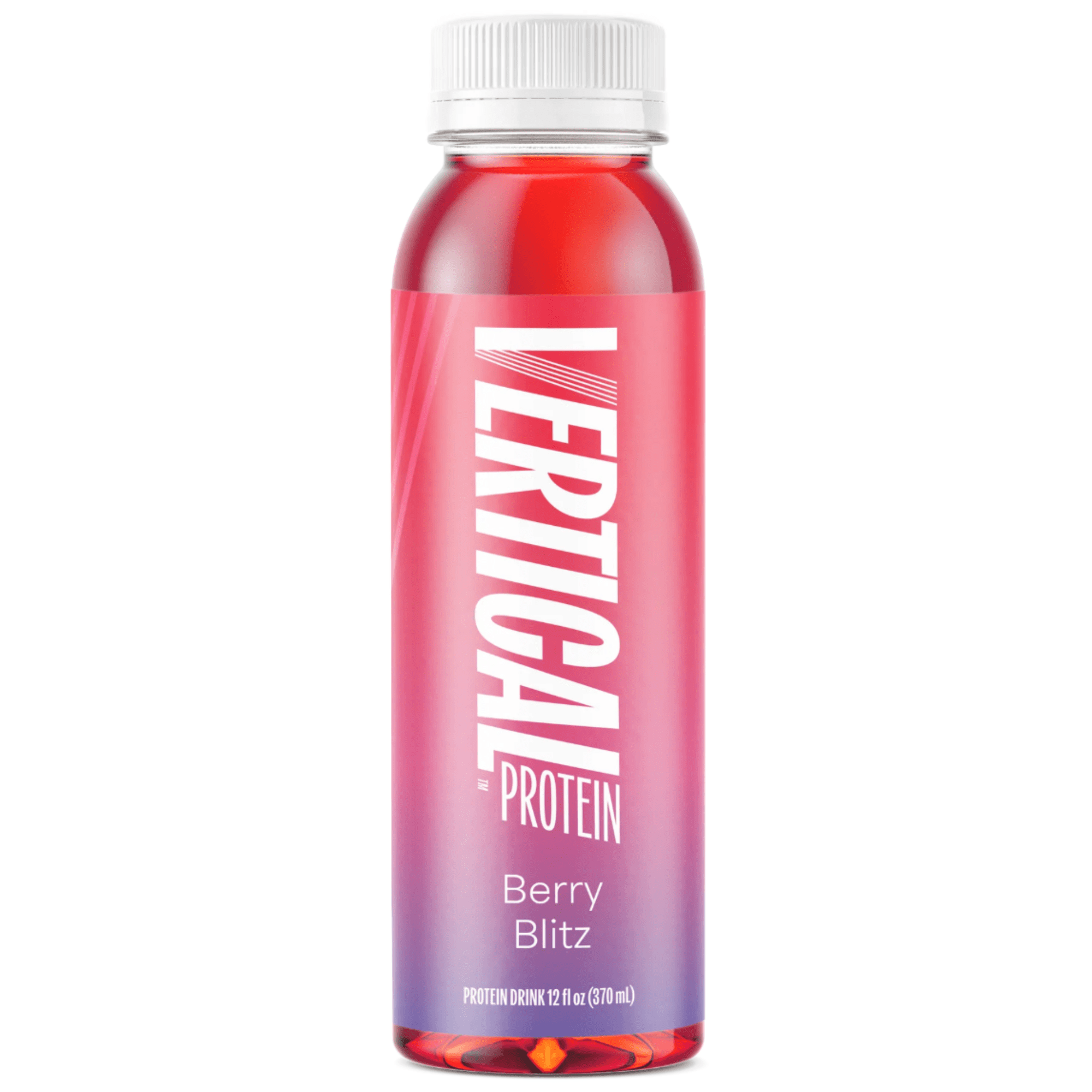

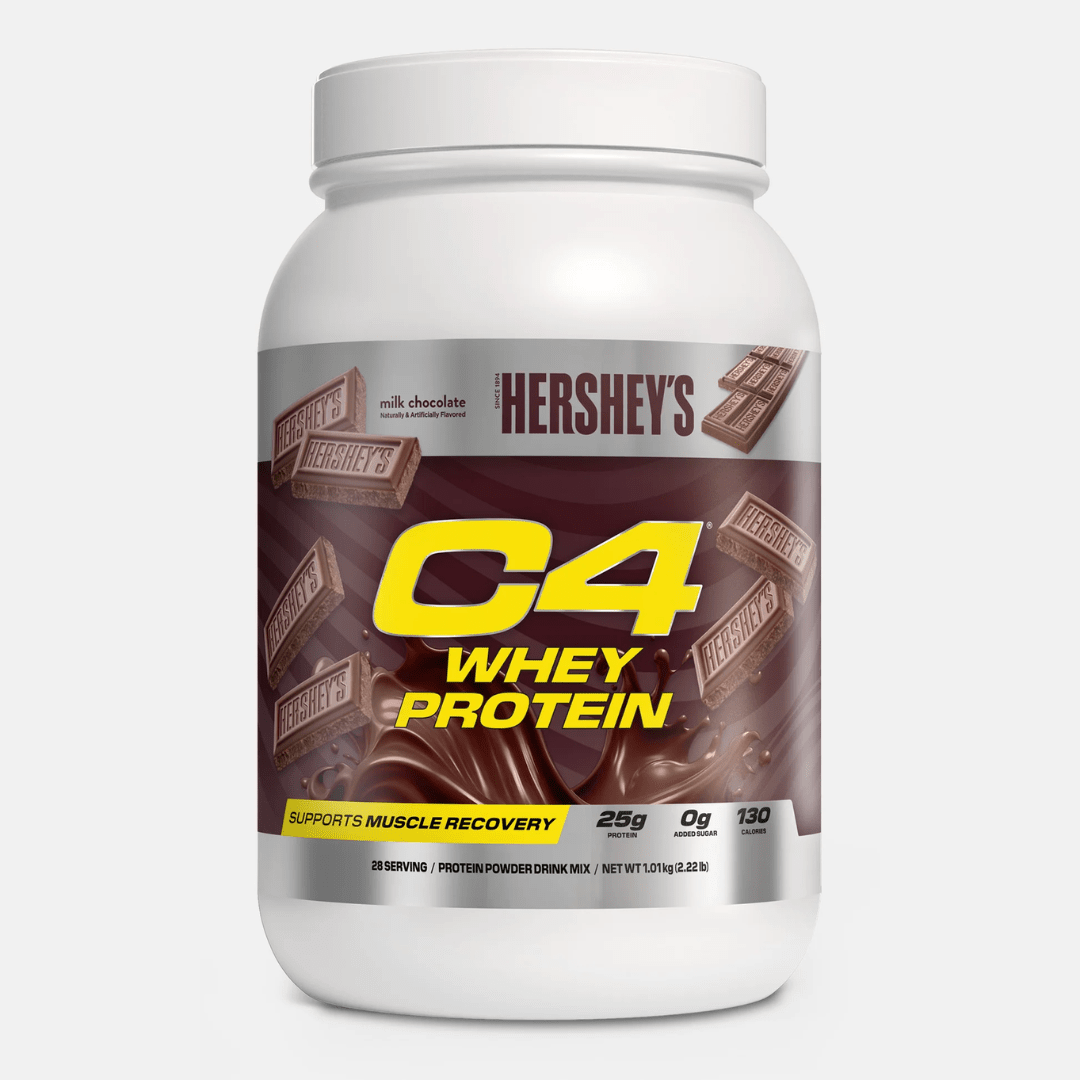
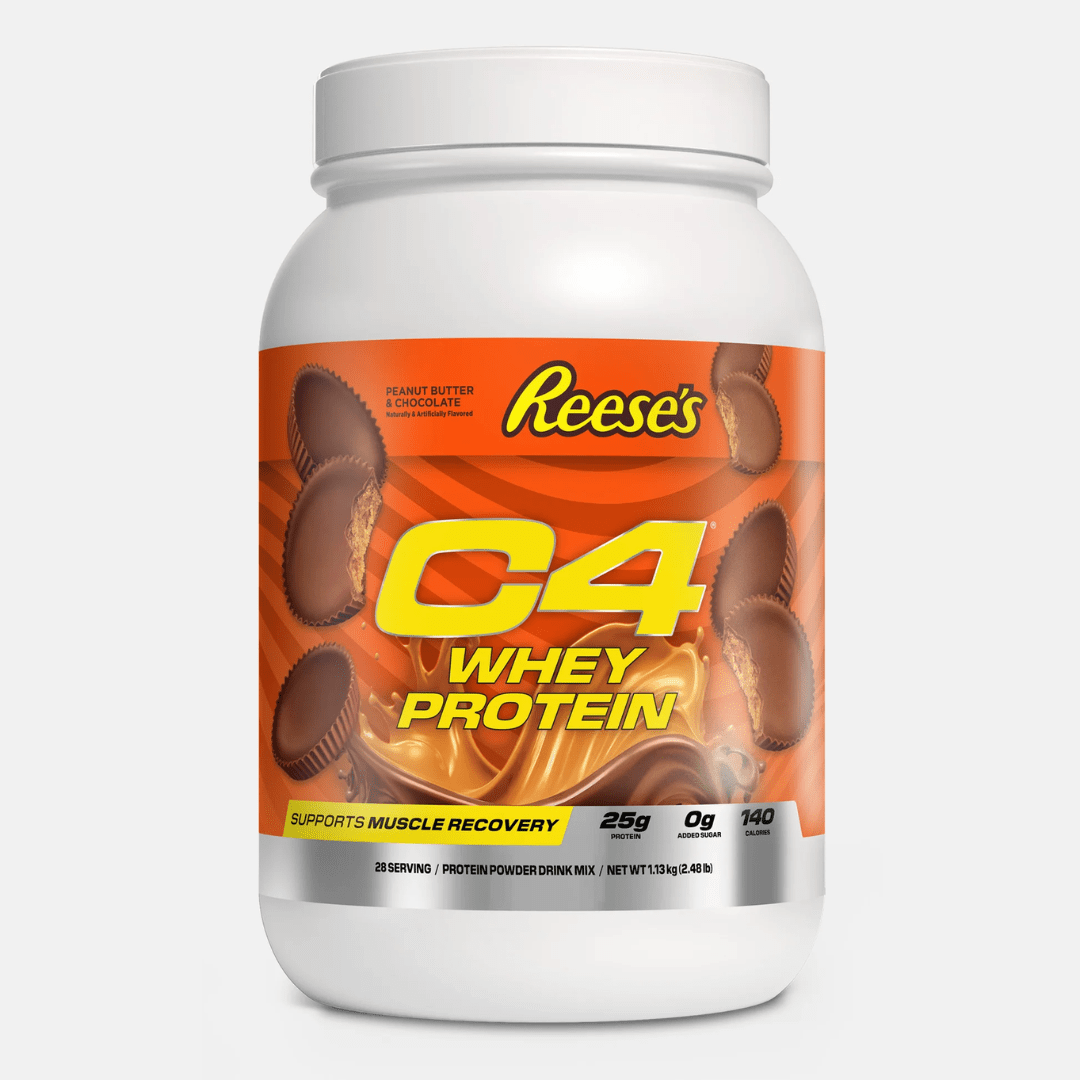
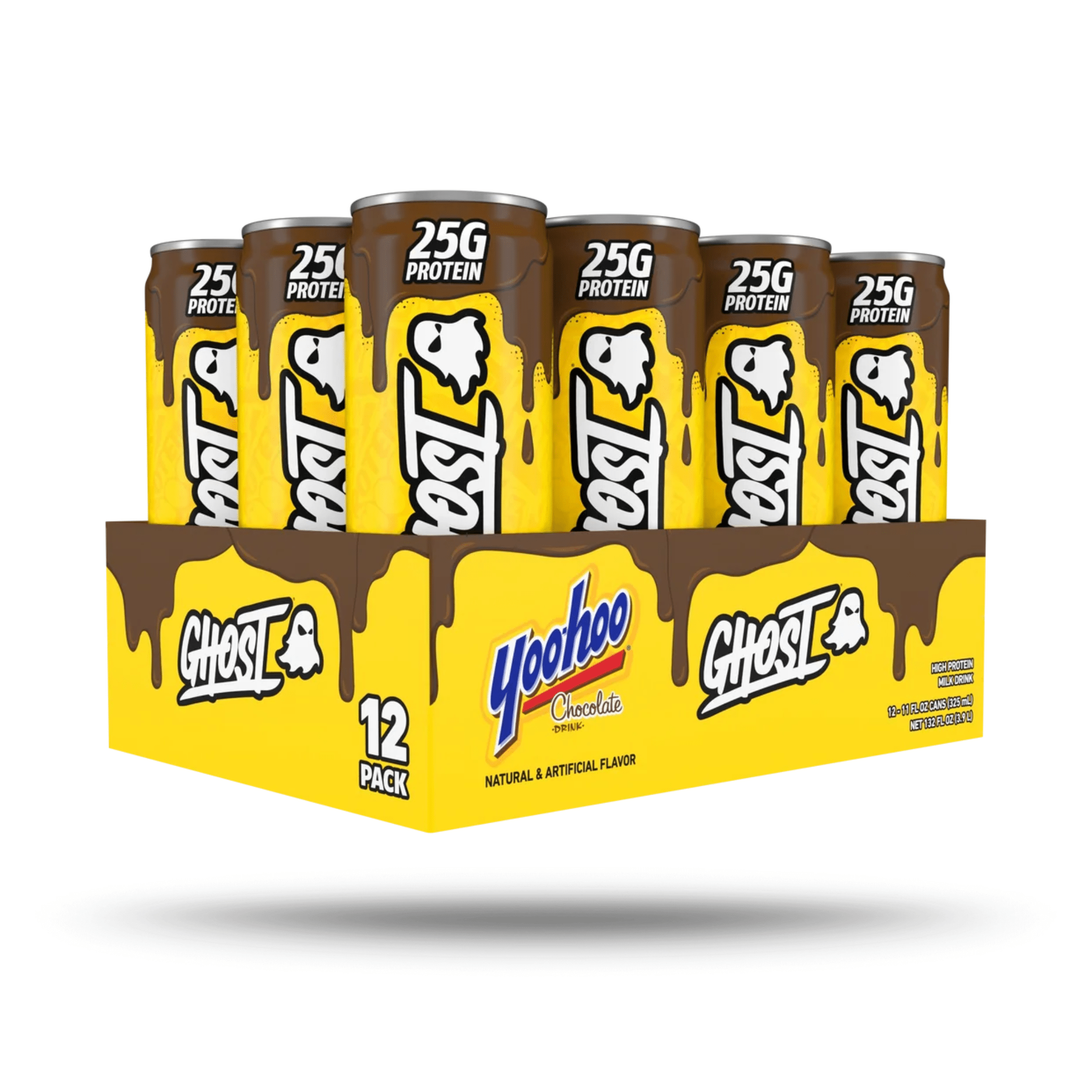
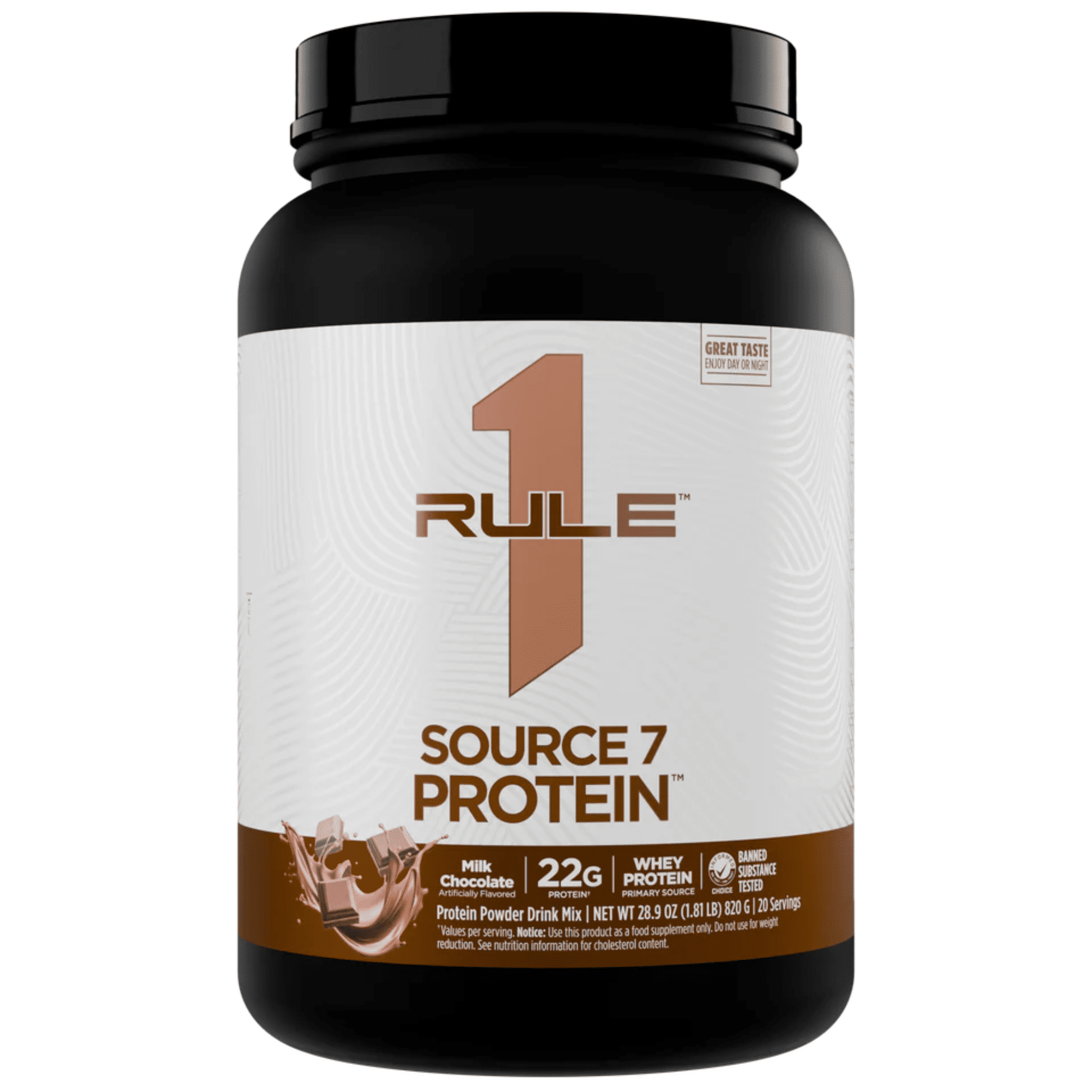
Nobody here works on commission
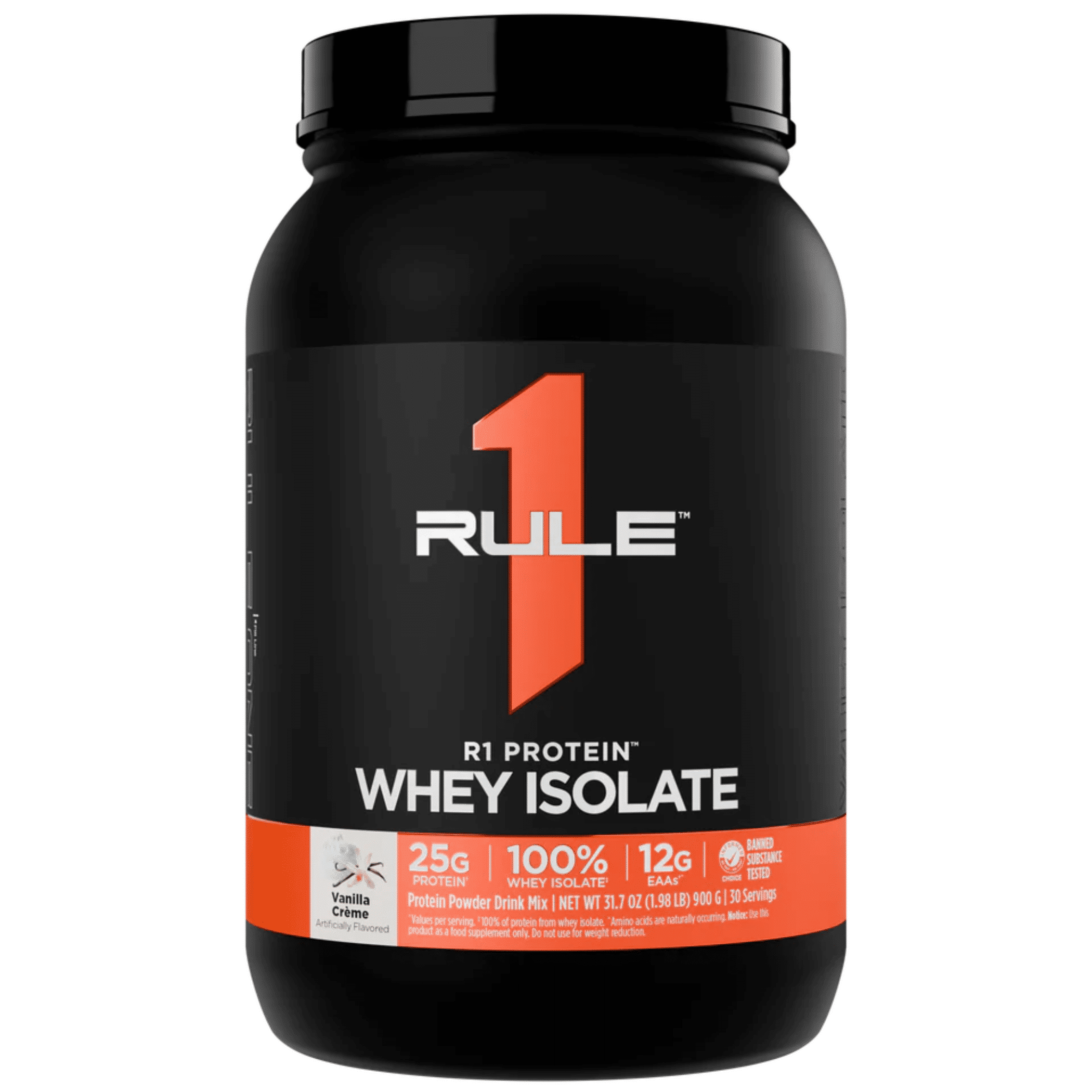
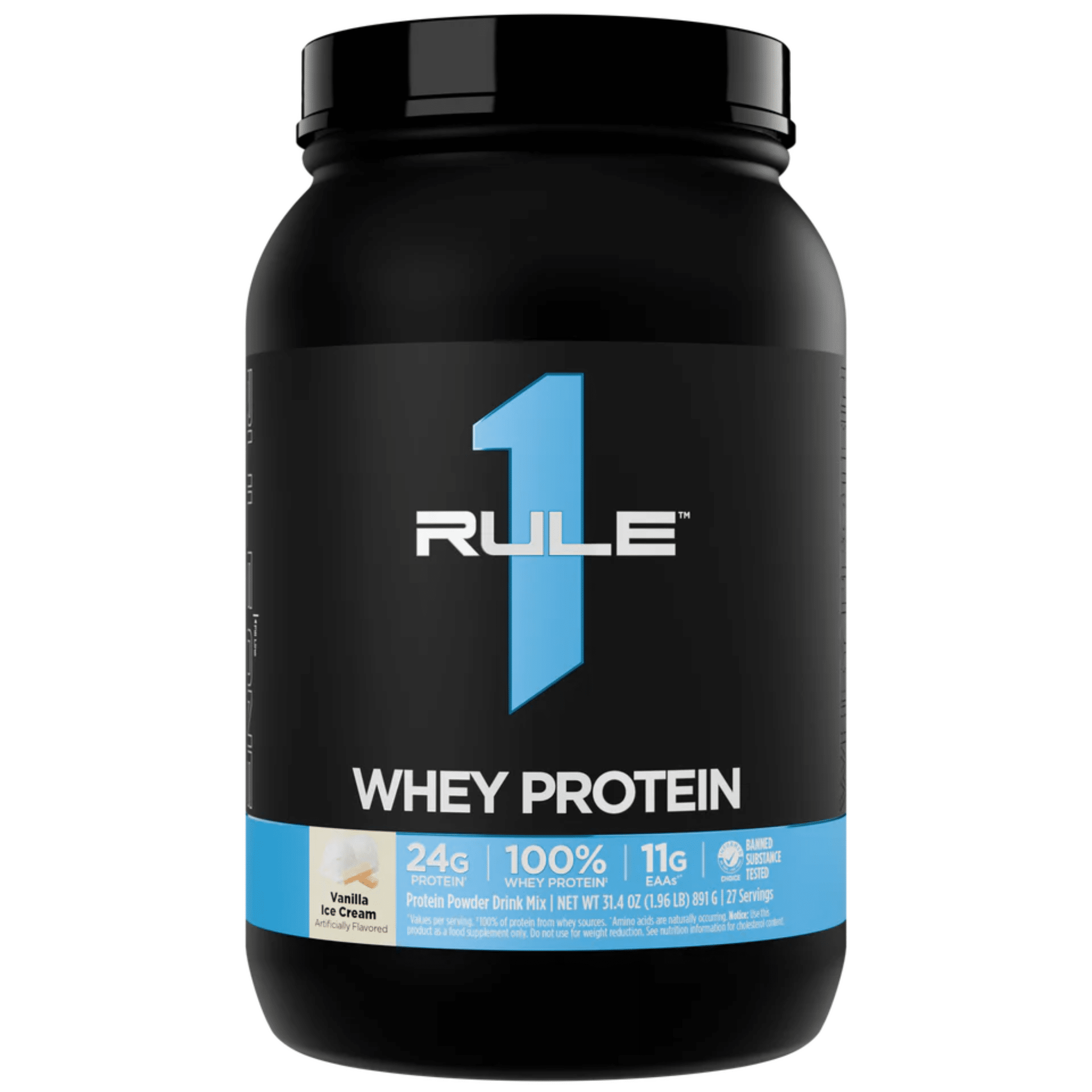
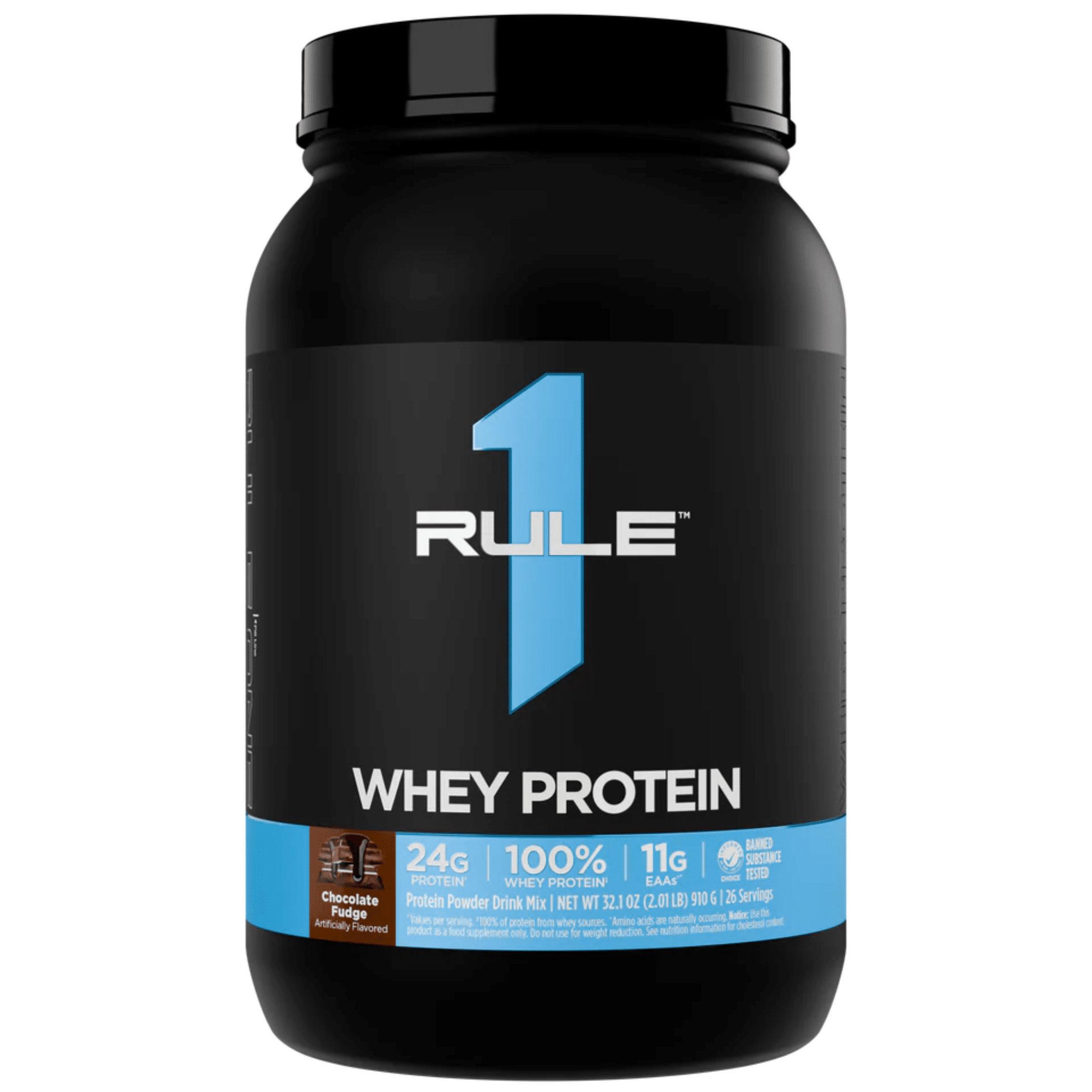
Three picks from the people behind the counter in Langhorne. Not sponsored, not the highest margin.
Staff pick
Nutristat
Nutristat PÜR NATIVE Whey IsolatePur Native is the on protein we've seen at 95% purity, higher than all other isolates. With almost 50% more leucine, it's a no-brainer pick.
 Staff pick
NutraBio
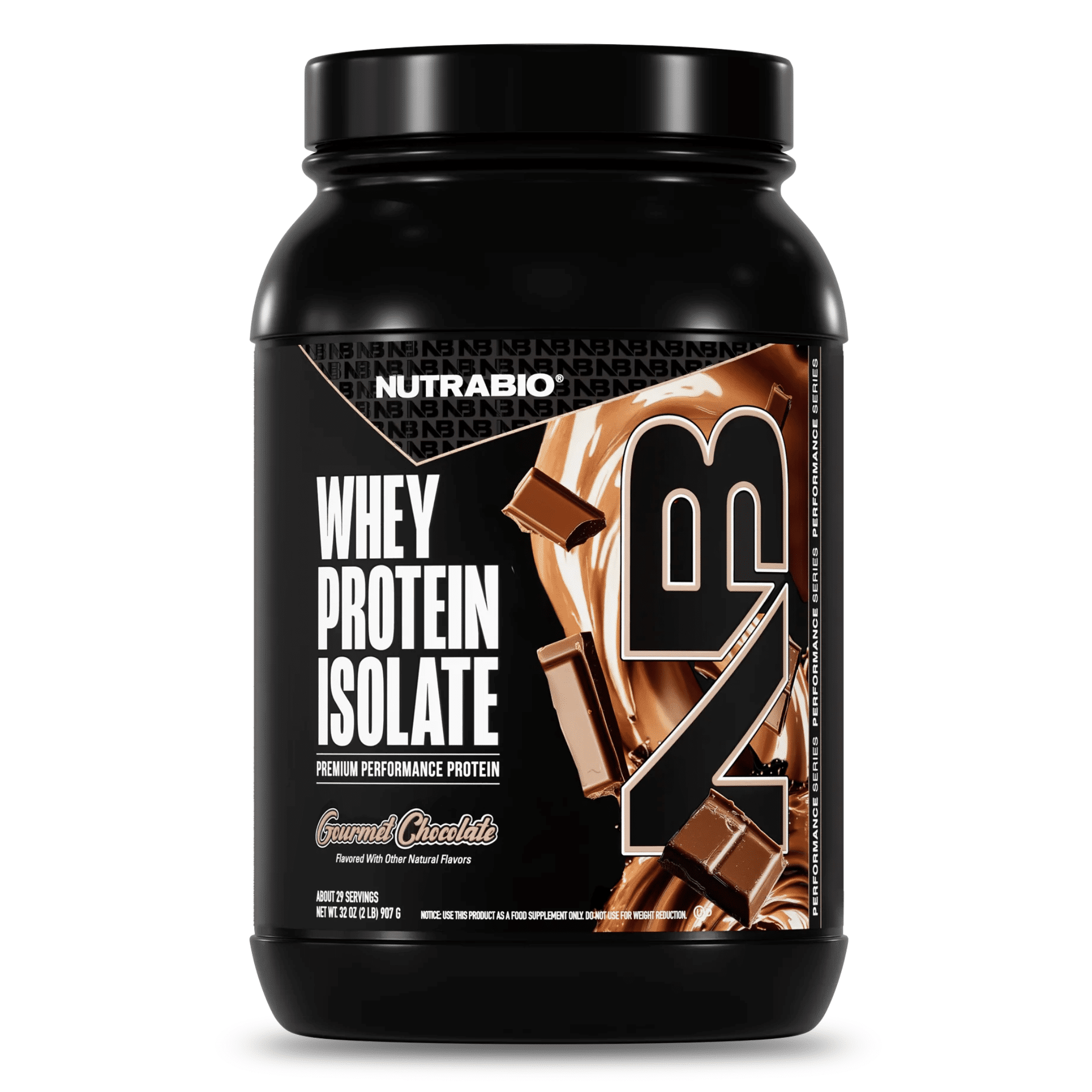
NutraBio 100% Whey Isolate — 25g Protein, 120 Calories, Zero FatA fully transparent label? Can't beat NutraBio. The gold-standard brand in purity and transparency.
 Staff pick
PEScience
PEScience Select Protein — Whey and Casein Blend, Known for FlavourPES is often underrated. Milk protein isolate keeps the product lean and clean like an isolate without the cost of one.
Written by our staff. Nobody here earns commission.
Divide the protein grams by the scoop weight. This single calculation tells you more than anything on the front of the tub, and you can do it on any product on any shelf.
| 85 percent and above | A pure isolate. Almost nothing but protein 75 to 84 percent |
None of these are wrong. They are different products for different jobs. What the number tells you is what you are actually paying for, and whether a large scoop is hiding filler.
A 40 gram scoop delivering 22 grams of protein is 55 percent. The other 18 grams are flavouring, thickeners, gums and whatever else went in. That may be exactly what you want in a bedtime pudding. It is not what you want if you are counting calories.
Protein is not one product. These are genuinely different tools.
| Whey isolate | Filtered to about 90 percent. Leanest, most lactose removed Whey concentrate |
For most people most of the time, whey isolate is the sensible default. The others exist for specific reasons: casein for the longest gap of your day, clear whey when a creamy shake is unappealing, plant or egg when dairy is out, hydrolysed when a shake sits heavily during training.
The main way protein products mislead, and it is entirely legal.
Protein content is commonly measured by nitrogen content. Cheap free form amino acids such as glycine, taurine and glutamine contain nitrogen too, so adding them inflates the measured protein figure without supplying complete usable protein. A nitrogen test cannot tell the difference.
What defeats it is a fully disclosed ingredient list. If the only protein sources named are whey isolate and whey concentrate, and no free form aminos appear in the ingredients, there is nowhere for spiking to hide.
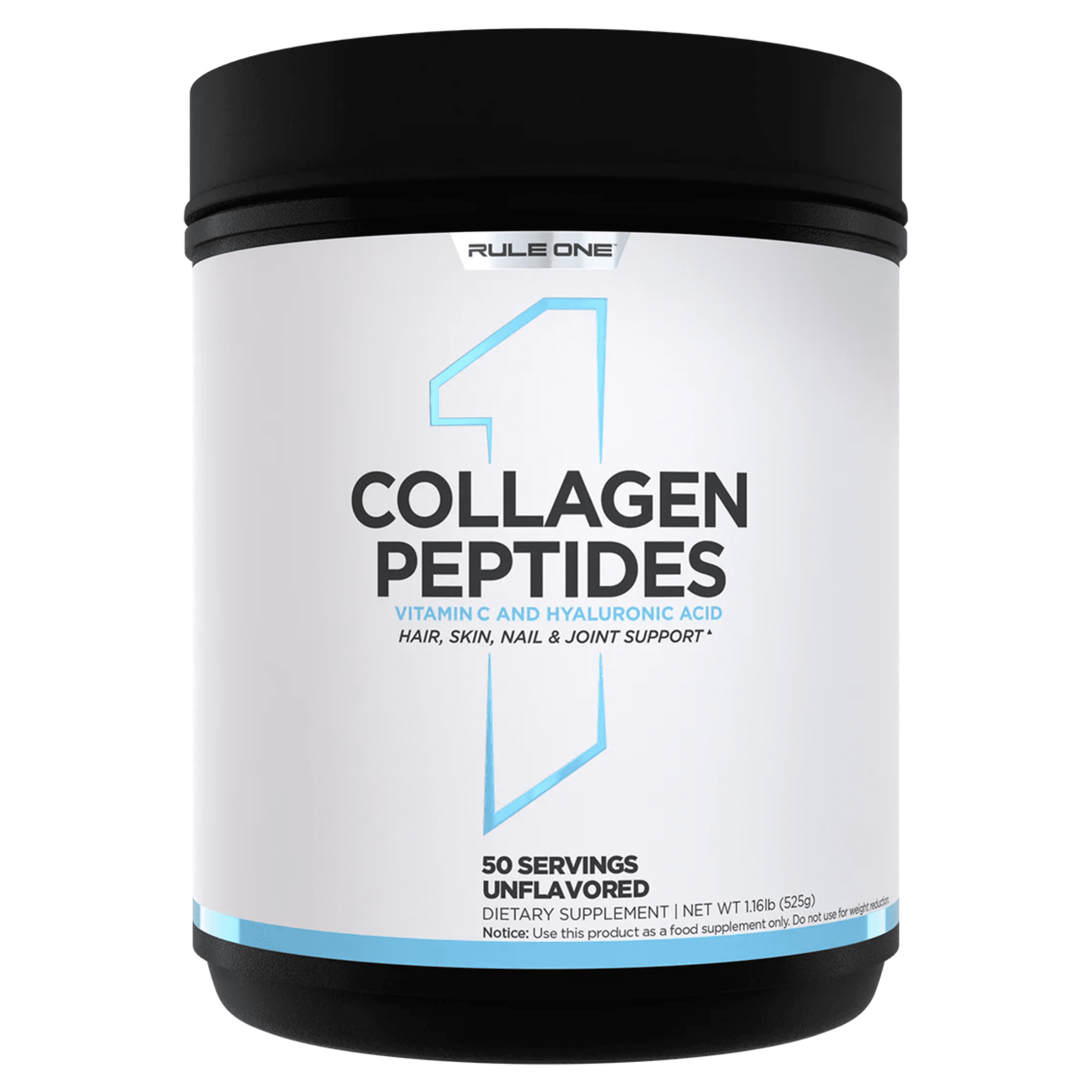
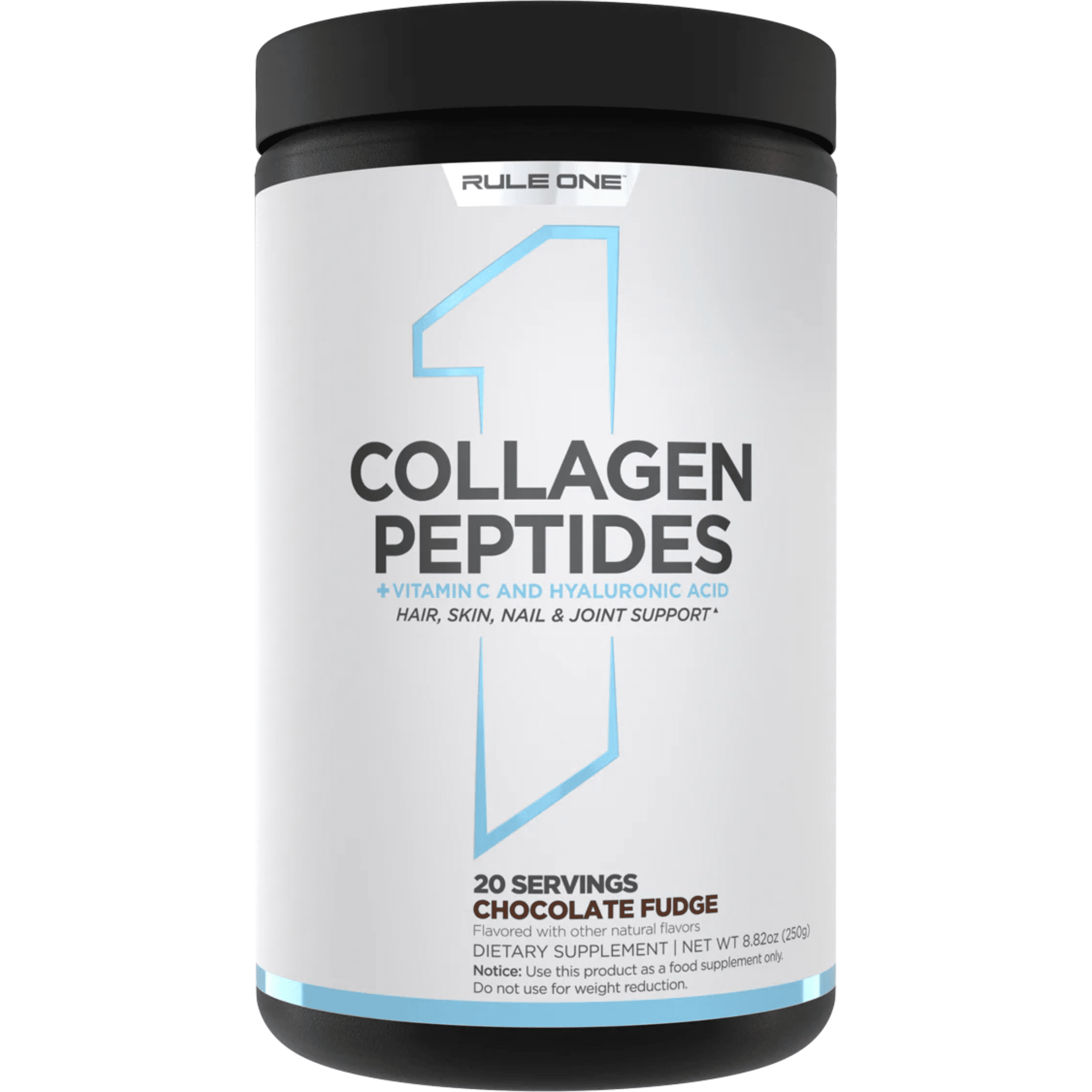
Collagen is the related problem. Collagen lacks tryptophan entirely and is low in leucine, the amino acid that triggers muscle protein synthesis. It is a legitimate ingredient with real uses for skin and joints, but if a product lists it among its protein sources, that portion should not count toward your daily protein target.
Check the ingredients, not just the protein number.
How much protein do I need?
Roughly 1.6 to 2.2 grams per kilogram of bodyweight daily, spread across the day. That total matters far more than which powder you choose.
Do I need it straight after training?
No. The thirty minute anabolic window is largely a myth. The window is measured in hours rather than minutes, and total daily protein matters far more.
Isolate or concentrate?
Isolate if you are counting calories or get bloating from concentrate. Concentrate if neither applies, since it is cheaper and tastes better.
Can I take it if I am lactose intolerant?
An isolate has most of the lactose filtered out and is usually well tolerated. A milk allergy is a different matter entirely, since the protein itself is the allergen. Egg or plant protein is the answer there.
Does collagen count toward my protein?
No. No tryptophan, low leucine, and it will not support muscle growth.
What about certification?
If you are tested in any capacity, look for Informed Choice or NSF Certified for Sport. Athletes are held responsible for whatever is in their system regardless of how it got there.